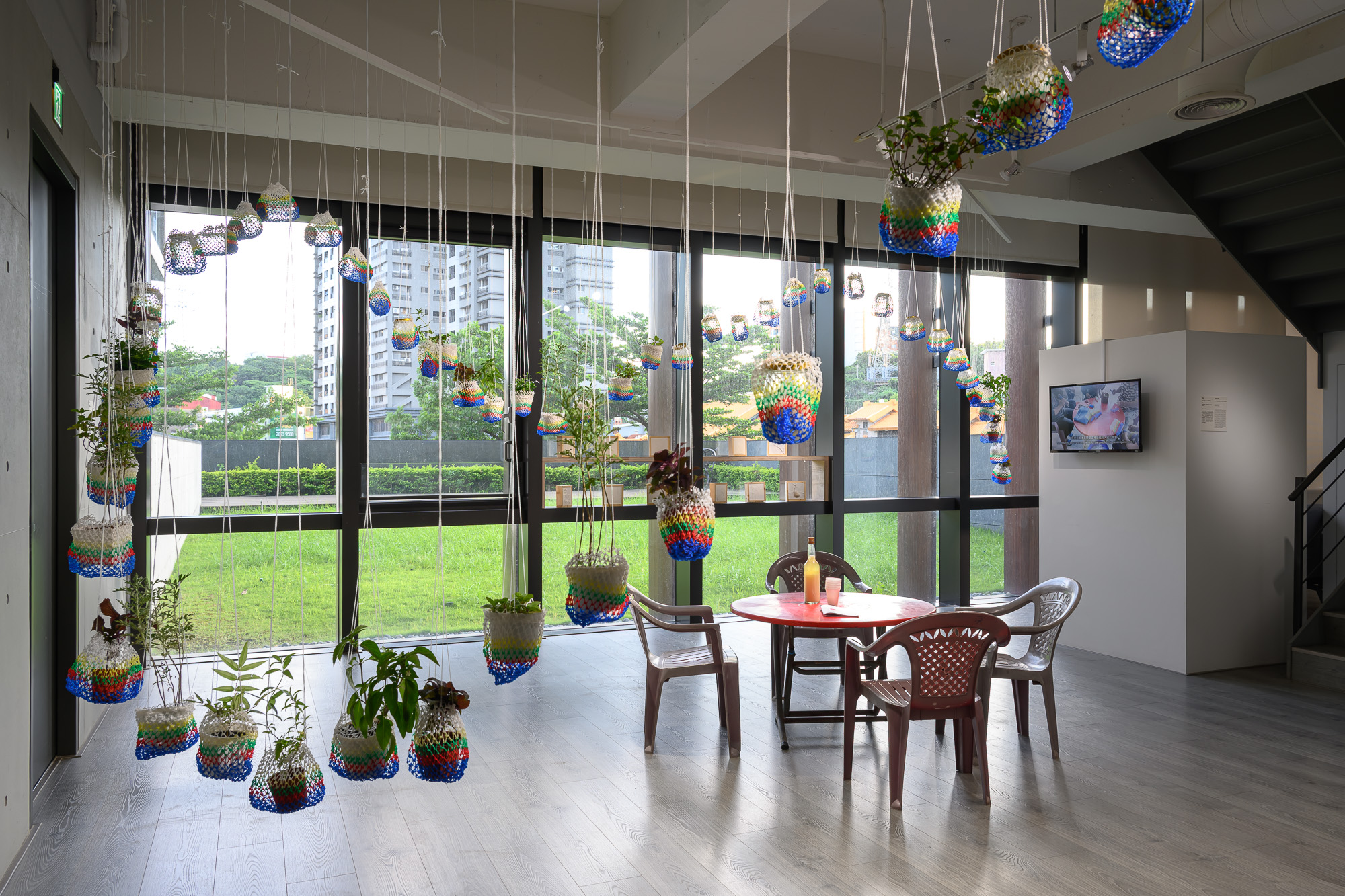
文 / 吳虹霏 在拉丁文中,”munus”是免疫(immunity)與社群(community)的共同字根,既意味著禮物,也承載著責任,這個詞彙的雙重性恰好映照出當代知識生產與社群建構中的複雜糾葛——munus計畫探索團結與療癒的未竟之處,企盼創造空間審視、討論集體文化中的成癮與發炎狀態。 過去兩年多來,引用吧嘗試打造另類知識與流動社群的基礎設施,刻意置身主流學術系統之外的荒野,探索遊牧的風景與生態系,期望這對中心的背離,是朝向日常實踐與真實社會的回歸。透過讀書會與各種介於私密與公眾之間的聚會,透過休息、詩歌、科幻、囈語、漫遊,我們卸下被標準化的思考模式,與對理性及確定性的依賴,練習擁抱感受、敘事、分享與紀錄的多重可能。 在這個脈絡下,我們所尋求的「免疫」是一種面對不安與疾病的能力,這不僅包括面對鬆散、缺乏明確路徑所帶來的不適與自我質疑,也包含覺察利益導向、認知資本主義式的知識生產模式,以及其中多刺的道德協商。我們如何避免奪取他人從苦難中提煉的「藥方」,並以此聲稱能治癒這個社會? James C. Scott說過,「只有在關係中,我們才能思考它們隱含的排斥和對比。」如果困境換個角度看也是禮物,特權如何成為綑綁我們的債務;自私如何成為弱者的悲劇,集體承擔如何淪為幸運者的空談?而當日常中早已潛伏著迫近的危機,當身與心總有無以名狀的徵候,又能如何面對「集體」與「免疫」兩字共存的複雜? 或許,真正得以延續的團結不是建起一道名為共識的牆,而是即使在走散分離之際,在顛簸與搖搖欲墜的生存之際仍能保持關係[註1],仍能用秘密的、機運的、直覺的方式,將我們的心集結在一起,以在迎向撞擊之時,可以敞開保全每個個體,不至碎裂。[註2]正是在面對不確定性的相互承擔中,munus的寓意得以顯現——不是逃避責任,而是重新定義責任的邊界與「我們」的關係。 munus是關於學習看待知識與關係的不舒適地帶,用半透明[註3]的透鏡重新審視世界。我們選擇繞遠一點的路,或是維持審慎的間隙端詳那些說起來總很容易發光的理想,同時試圖與世界建立起帶著某種距離卻又互相依賴的關係。我們從不安、疾病、混亂與摩擦中獲得啟示。這個展覽絕不是通往療癒的直達車,但歡迎把與每件作品、每段文字相遇的經驗轉化成一場場深度的按摩——在痠痛甦醒、僵硬推擠,在發炎筋膜的疏通過程中,我們尋求困局的轉動可能,在痛楚與快活的交界處,發現新的生機。 [註1]啟發自作者與變異派學校(The School of Mutants)的訪談對話 [註2]原文“collectivize your heart so it breaks open and not apart” ,引用自 Hospicing Modernity 一書 [註3]取自藝術家與作家 Himali Singh Soin的半透明宣言 (On Translucency)...
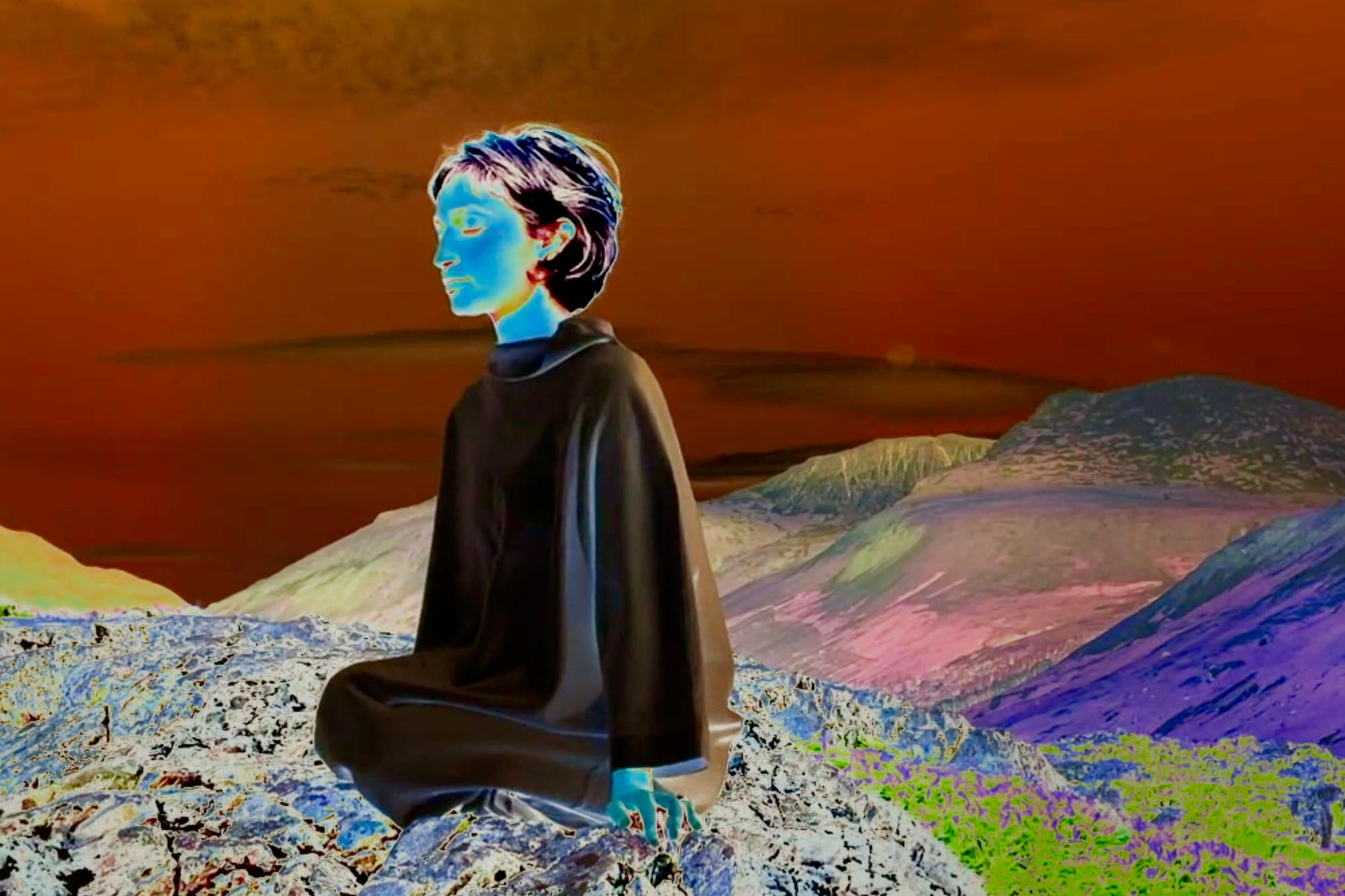
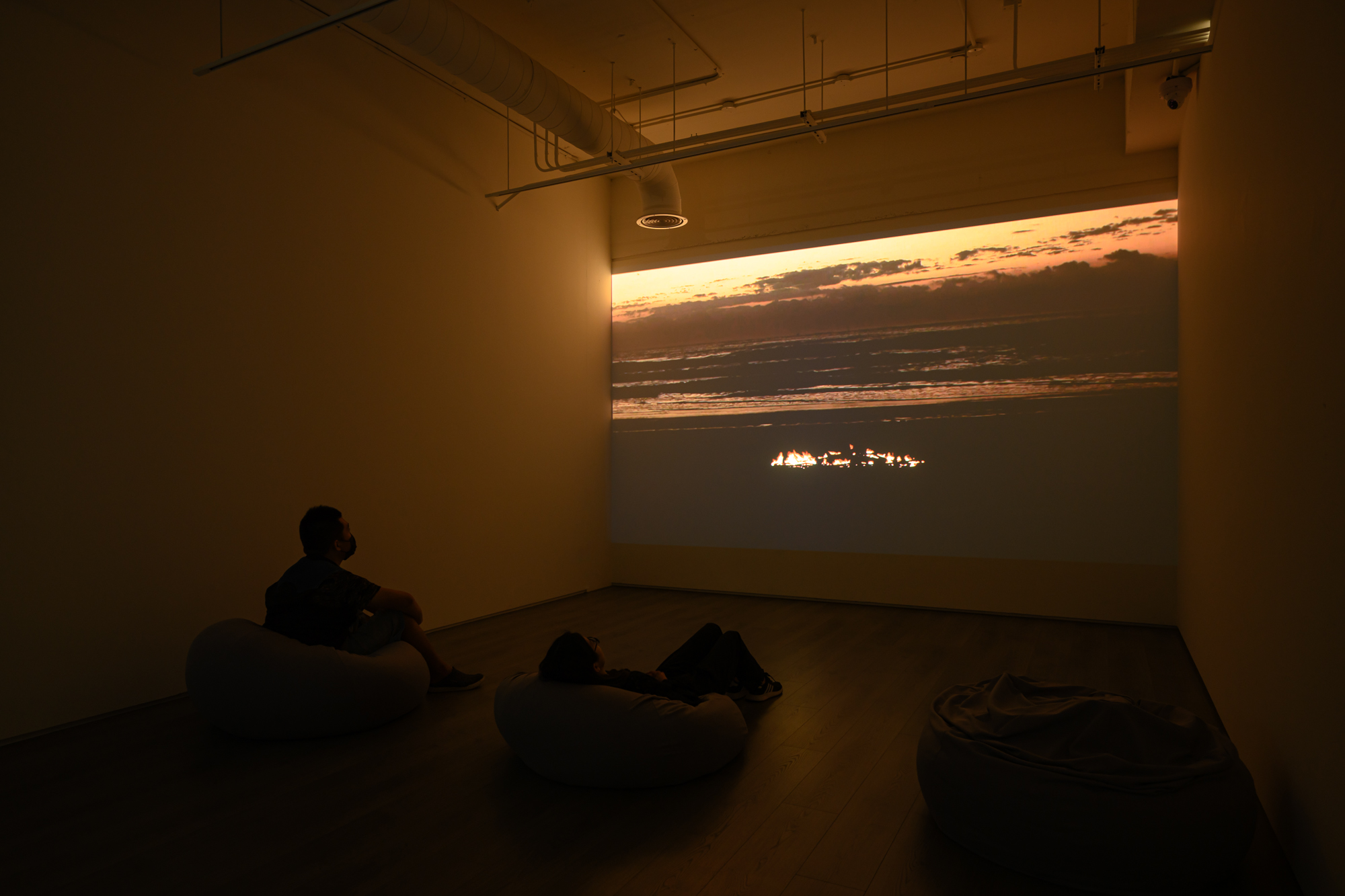
「直到最後,轉移的不是疾病,而是愛的增生。」 — 希瑪利.辛格.索恩 (Himali Singh Soin) 2024一整年,世界依舊籠罩著分歧與衝突、戰爭、右派保護主義、極端氣候災害、疾病的當代現實,「引用吧」定錨於帶有義務與禮物意涵的“munus”一詞的古老智慧,延續並深化自2023年開啟的各種圍繞在關照與解殖的概念與實踐,以讀書會與各種聚會的集體方式,試圖探問:「在這個千瘡百孔的世界,我們能透過同在一起,共同生產出什麼樣的當代治癒智慧?」(munus為community的字根) 策展計畫munus 奠基於這些讀書社群收穫的啟發與所面臨的難題,近一步聚焦免疫的角度(munus亦為immunity的字根),踏入模糊與不舒適地帶,包括生命背負的共業、集體的「文化疾病」(cultural dis-ease),以及《善終現代性 》*所指向的,語言無法穿透的灰階、矛盾與半透明的現實,如何造就了團結與療癒的 (不)可能。 munus展覽的上半場奠基於藝術家希瑪利.辛格.索恩 (Himali Singh Soin)的「半透明」(On Translucency) 宣言概念,藝術家在近年的創作從冰、石油、鹽等物質媒介揭示被遺忘之故事與推測另類的未來,在清澈透明與絕對色彩之間,朝向非人類的智慧— 接受無法全知,允許情感的擾動,有條件的坦露/隱藏/吸收資訊,既獨立又相連。在其宣言中,藝術家認為「半透明是以另一種光,觀看這個不定的、多孔滲漏的,在每個事物之間以薄膜相接的世界。」 展覽的主體作品則是進行中的「靜態山域」(Static Range)系列,從冷戰時期的喜馬拉雅山、英國Sellafield核工業園區,至作為美國太平洋核試驗場的馬紹爾群島,在彩虹色的核子流動中,推想著被攔截或失落的訊息。作品以山、原子、鳥、藥草與神祇的視角,穿梭在深層時間、人類的愛與苦痛的歷史、突發與未知的生態災難相遇交疊的多重時間宇宙,撐開限制住我們的單一敘事,與對於國族、安全、穩定等種種現代性依賴,與因此而生的污染、審查等暴力展開親密對話。滲透並傳導其中的符號既是警戒的訊息也是治癒的處方,如同在「肯定」 (Affirmation)一作中,山對原子的訴說:「這封信將許多失語的「他方」相連」。 然而這並不只是一個天真浪漫的對治癒與團結的跨物種讚頌,而更是透過泥濘混濁的末日奇觀的透鏡,感知那極其複雜的現實—「相連」絕不只有美好的,糾纏在一起的還有病毒與瘡疤,我們以為追求與抵抗的遠在線性的兩端,事實上它們都混雜在每一個活著的片刻,甚至彼此仰賴著—解方蘊含在毒性中、神性蘊含在淪喪中,失敗與終結也藏著愛與祝福。 *Vanessa Machado de Oliveira 所著的《善終現代性》一書為策展計畫的重要啟發之一,全名:Hospicing Modernity: Facing Humanity’s Wrongs and...
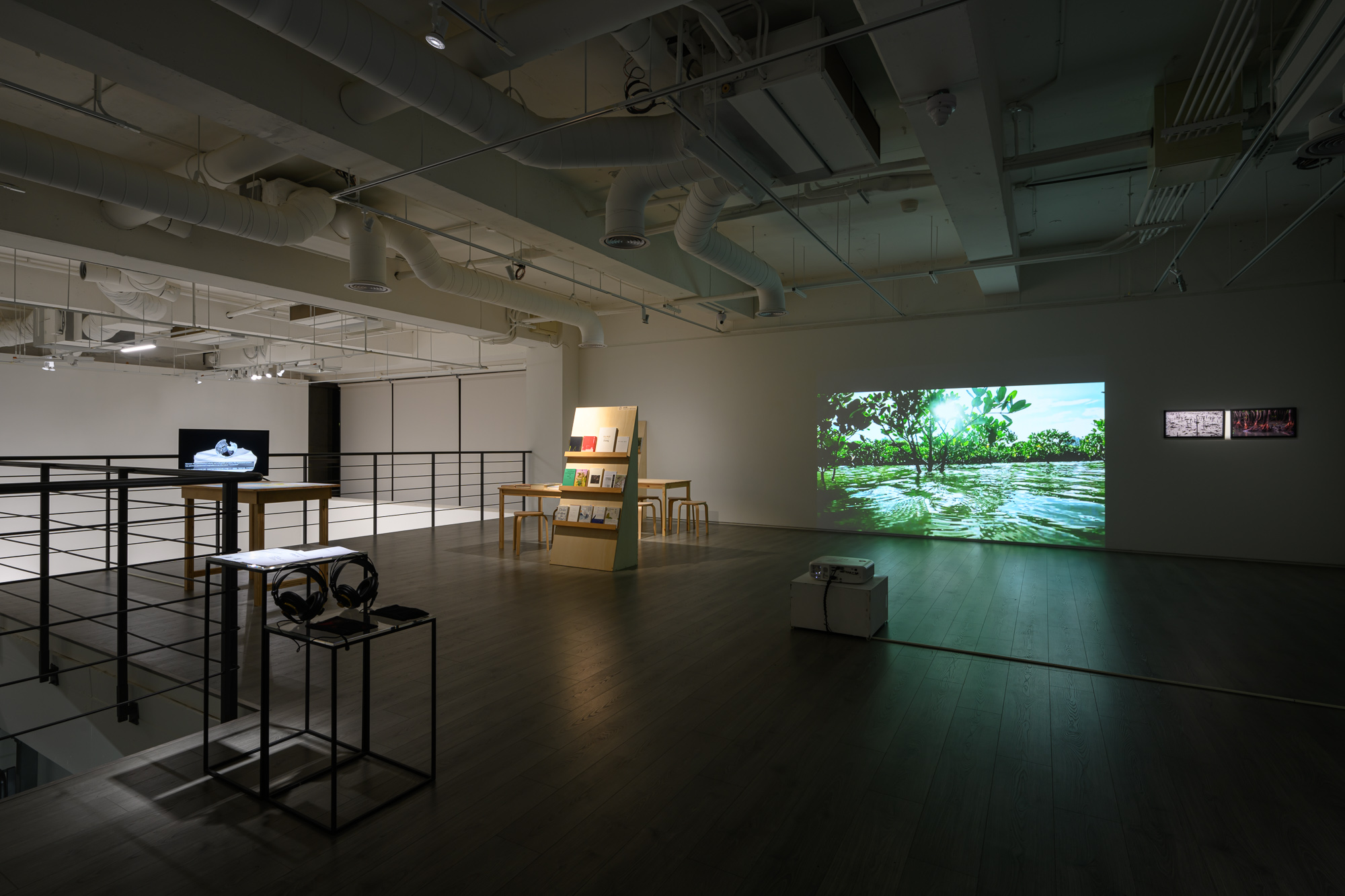
「人死後會變成蛇,蛇死後再變成老鷹,最後變成水,安靜地流走。」——排灣族神話 「Hakaw Utux 在太魯閣族語是彩虹橋的意思,「氣候」這個詞讓她們想到這個傳統文化的字詞。在太魯閣文化,過世的人會走上彩虹橋。而族人在太魯閣的山上生活也很常在山與山之間看到彩虹,所以彩虹也是觀察山上氣候變化的重要對象。往往看到彩虹,就表示天氣要轉好了。」 「引用吧」第四階段呈現「變遷之書」與四組台灣藝術家與團隊合作展出,在奠定於與「引用吧」長時間的對話與討論之下,對氣候變遷的主題發展出的回應。相對於在主流論述中顯得抽象、巨大且無形的氣候,展出藝術家從天氣、潮汐、體感、代謝等細微與親密之處著眼,試圖將其中的變化看待為學習的對象與展開想像的入口。 森人-太魯閣藝駐計劃此次的呈現「Hakaw Utux」,透過調查、收集部落女性長者在過去與現在兩種時空用以溝通的日常詞彙,紀錄其生命與所處環境的種種改變。當「氣候」的現代語言已無法捕捉與自然關係的傳統智慧與信仰,Hakaw Utux 試圖以學習族語為路徑,建構一部關於變遷的聲音字典。 王郁媜於今年夏天起展開以田野調查作為藝術實踐的駐地計畫,探索台灣特有紅樹林生態系,海上森林、濕地與潮間帶之地景,在這個階段性成果中試圖親近紅樹林的生命,並以參與式書寫創造一個複數聲音的空間,從中以流動、邊緣與關係性的變動視角,體驗氣候變化中的「變化」概念。 張致中則在同年的夏天走訪了氣候變遷下異常高溫的申根區的北界、挪威與俄羅斯、芬蘭接壤的極北城鎮Kirkenes,以在旅程中折損的一雙Gore-Tex防水靴的「人造之膜」為隱喻,討論追求恆常體感下隱含的殖民性,並試圖在季風身體面臨的種種變動經驗下,從膜的內層理解舒適的本質。 軟爛的近期行動受到the weathering collective的《風化田野指南》所啟發,將氣候變遷的弘大敘事體現在個人的身體經驗中,此次設計的聲音引導作品「引用風化」,邀請觀眾以自己的身體作為微型的變遷觀測站,在身體內部與自然環境之間連結感受,並從中展開對於「我們」的思考。 「變遷之書」期待透過這些進行中的嘗試與練習,突顯非西方的技術、在地知識與關係的建立之價值,並鼓舞各種關於聆聽、調頻、書寫與去學習(unlearn) 的行動參與,以此作為談論氣候關照與正義的具體體現:知行合一。
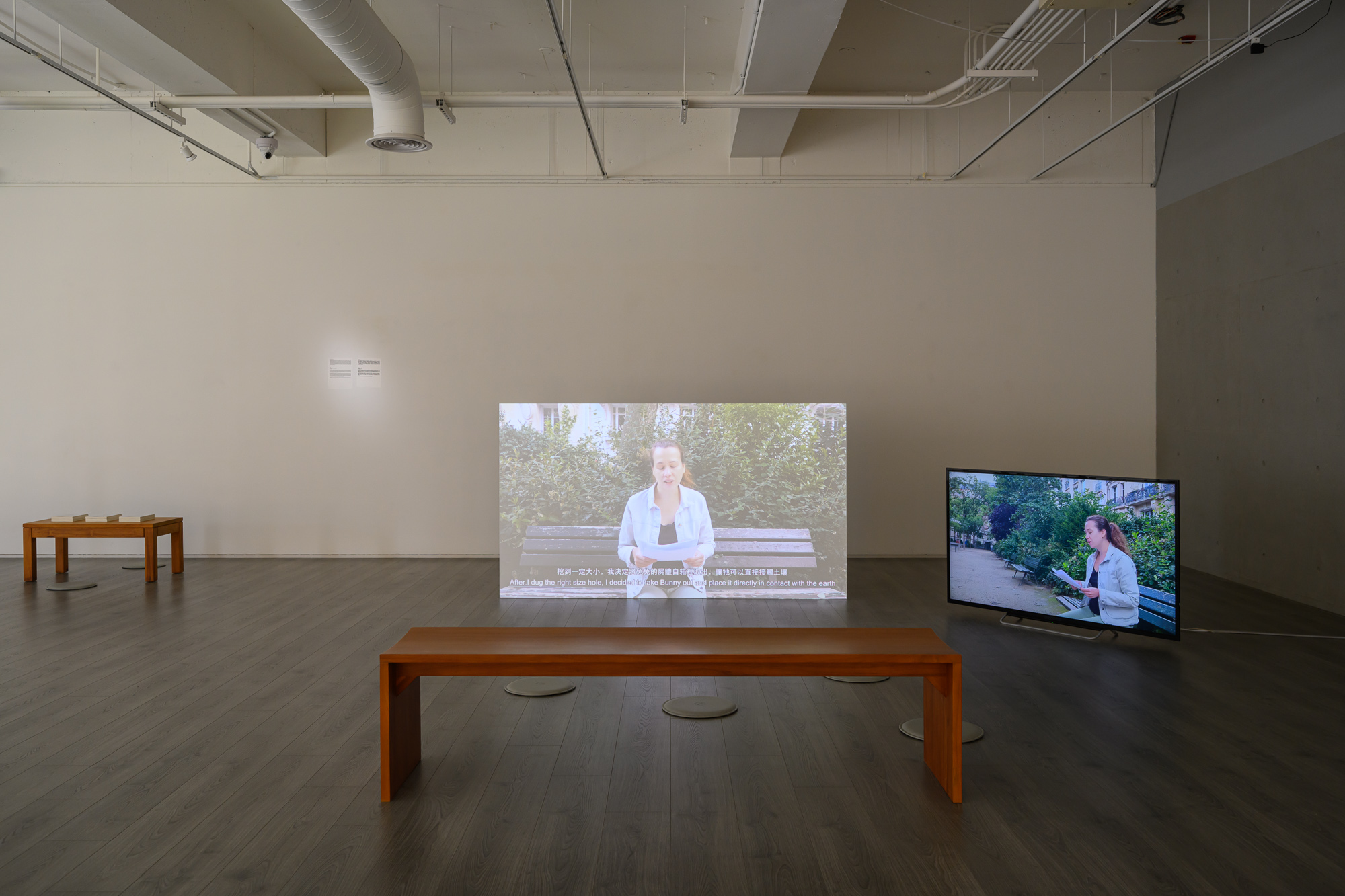
The third phase of “Citing Bar” collaborates with the artist Ting-Ting Cheng to present the project “Zoë”, which focuses on immigration, women, mental health, and death, along with its extended actions. Zoë includes a dual-channelled video installation and a publication revisiting the book “Last Words from Montmartre” by Qiu MiaoJin, a self-identified lesbian Taiwanese writer based in Paris between 1992 and 1995. The book was comprised of letters written by Qiu a week before her suicide at age 26 in her room in Montmartre, Paris. During Cheng’s artist residency in Paris, Cheng invited nine female immigrants in Paris to translate and read the letters extracted from the book in their mother languages at locations where Zoë, the protagonist of the book, visited. The actions were documented by videos, presented with the interviews of the participants on the second channel as the subtitles, along with the publication. In the exhibition at Solid Art, Taipei, Cheng again, invited nine female immigrants in Taiwan to recite the extracts from the interviews of the immigrants in Paris, to continue the conversation. The interviews with the nine immigrants in Taiwan were also documented. These stories about global female immigrants will continue to be written and read, perpetuated through the act of citation – the Speech Act of vocalizing words. This project aspires to evoke and connect within the realm of departed lives, to reestablish relationships within seemingly isolated individual circumstances.Like Writer Hsiang-Yin Lai said, “Under this circumstance, the author indeed died, but the writing has its future.” (The project and the exhibition are supported by the Ministry of Culture, Taiwan. ) – Cheng is an artist from Taiwan, graduated from MFA Fine Art at Goldsmiths College, London. She likes to reinterpret archival and found materials to construct narratives in the current context. She had solo exhibitions at Taipei Fine Art Museum and other institutions and galleries in Taiwan, Hong Kong, Japan, Spain, UK and more. She had participated in Tokyo Biennial, Contemporary Art Festival Sesc_Videobrasil (São Paulo), Bi-City Biennale of Urbanism \ Architechture (China), and group exhibitions at Jim Thompson Art Center (Bangkok), Daegu Art Factory, Hong-Gah Museum (Taipei), Künstlerhaus (Vienna), ISE Cultural Foundation (New York), National Taiwan Museum of Fine Art, National Art Museum of China…etc. She was the resident artist at Iniva (London), CFCCA (Manchester), Zero Station (HCMC), MMCA (Seoul) and more.
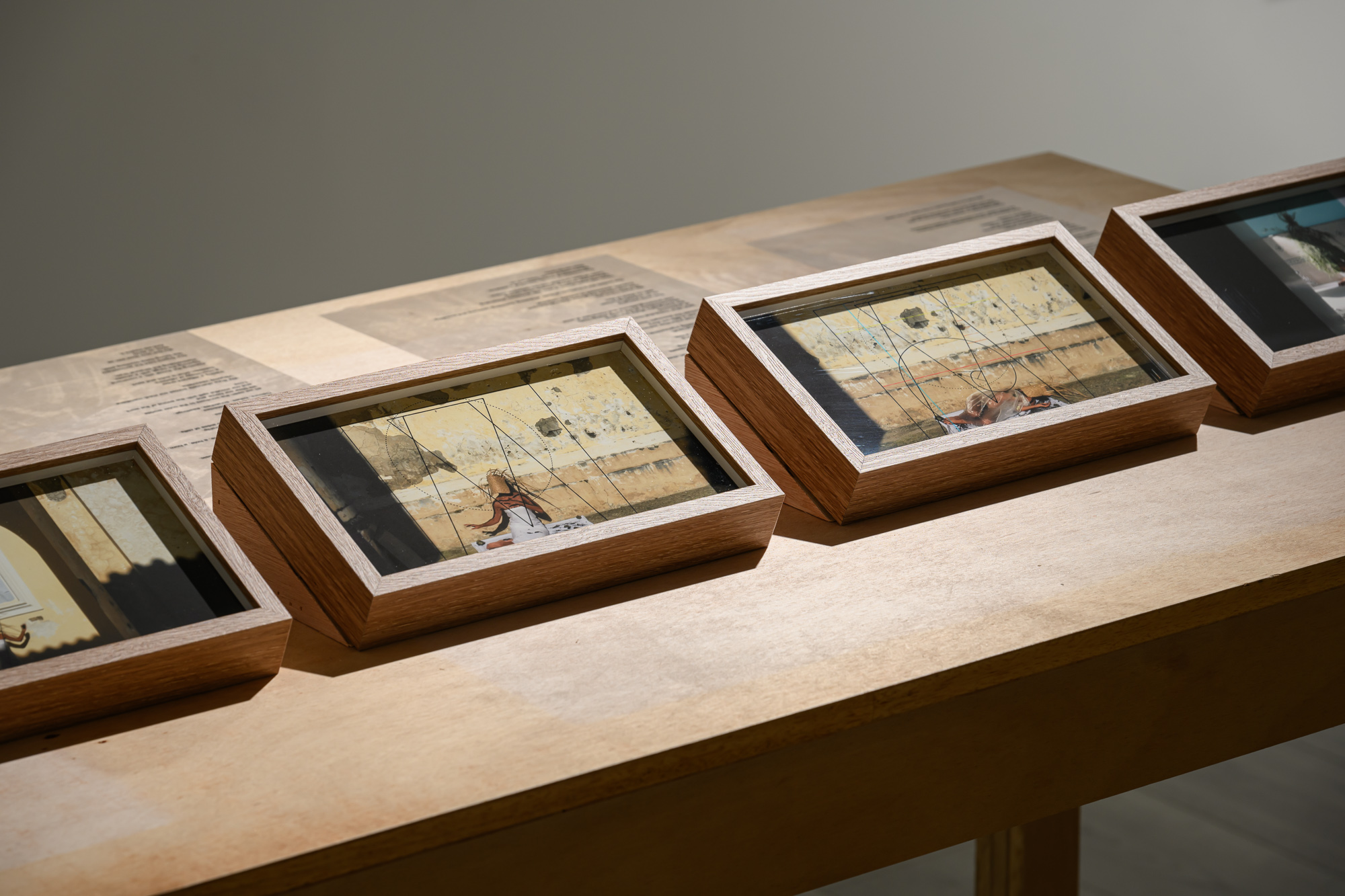
Following the group exhibition “Tides in the Body” in 2022 and a solo exhibition at Taipei Dangdai this year, Himali Singh Soin presents two recent important series of works in this exhibition: “we are opposite like that” and “As Great As What”, as a further exploration on the intersectionalities between contemporary healing, history and science fiction literature, and ecology. Here at “Citing Bar” also showcases the poetry, sound, and publications that emerged from these two series. Through interdisciplinary approaches, the aim is to expand our understanding of non-linear and pluralistic alternative cosmologies. Translation, research, and participatory events will be unfolded throughout the exhibition. – Himali Singh Soin’s (b. 1987, New Delhi, lives and works between London and New Delhi) multidisciplinary work uses metaphors from the natural environment to construct speculative cosmologies that reveal non-linear entanglements between human and nonhuman life. Her poetic methodology explores the myriad technologies of knowing, from scientific to intuitional, Indigenous, and alchemical processes. Soin’s major solo exhibitions include ‘The Third Pole’ at Museo Nacional Thyssen-Bornemisza (2022), and ‘Static Range’ at The Art Institute of Chicago (2022). She was the recipient of the Frieze Artist Award 2019. Her art has been shown at Khoj (Delhi), Mimosa House and Serpentine Galleries (London), Gropius Bau (Berlin), Anchorage Museum (Alaska), the Dhaka Art Summit, and the Shanghai Biennale, among others.
Titled “bear hole”, the first exhibition within the project draws its inspiration from Canadian indigenous oral narratives and the live experiences of the two participating artists, TING Chaong-Wen and WANG Hsiang-Lin, aiming to examine the creative burnout in art production and the state of physical and mental exhaustion in the wake of the milieus of homogenization of time, linear development and capital growth as a whole. By rethinking and resetting the notion of one-dimensional time perspective, the exhibition presents alternative flows, scales, and forms of life that initiate a more dialogic relationship, thus allowing ways of worldmaking to become more sustainable and creative. The artworks on show bring into focus TING’s and WANG’s experiences of short breaks, returns, dreams and road trips as sources of creative inspiration for them. The barren and solitude landscape scenes in their works act as portals to other worlds. In moments of retrospection, monologues, and getting lost in unconscious dialogues with the “good-for-nothing” frontiers, one no longer perceives time as linear when being present in nature and witnessing its intersectionalities of accumulation and being recycled back into the environment, which render one’s vision and sensation sharper. Hence, the field of seeming emptiness is where the materials speak their languages; and where the body and mind settle.