Transversal Poetics Workshop
What Yeh Chu-Sheng brought to the art world was not a fixed framework of schools or styles, but openness and connection; not the accumulation of individual, heroic achievement, but countless creative works — writing among them — inspired through educational exchange both inside and outside the academy.
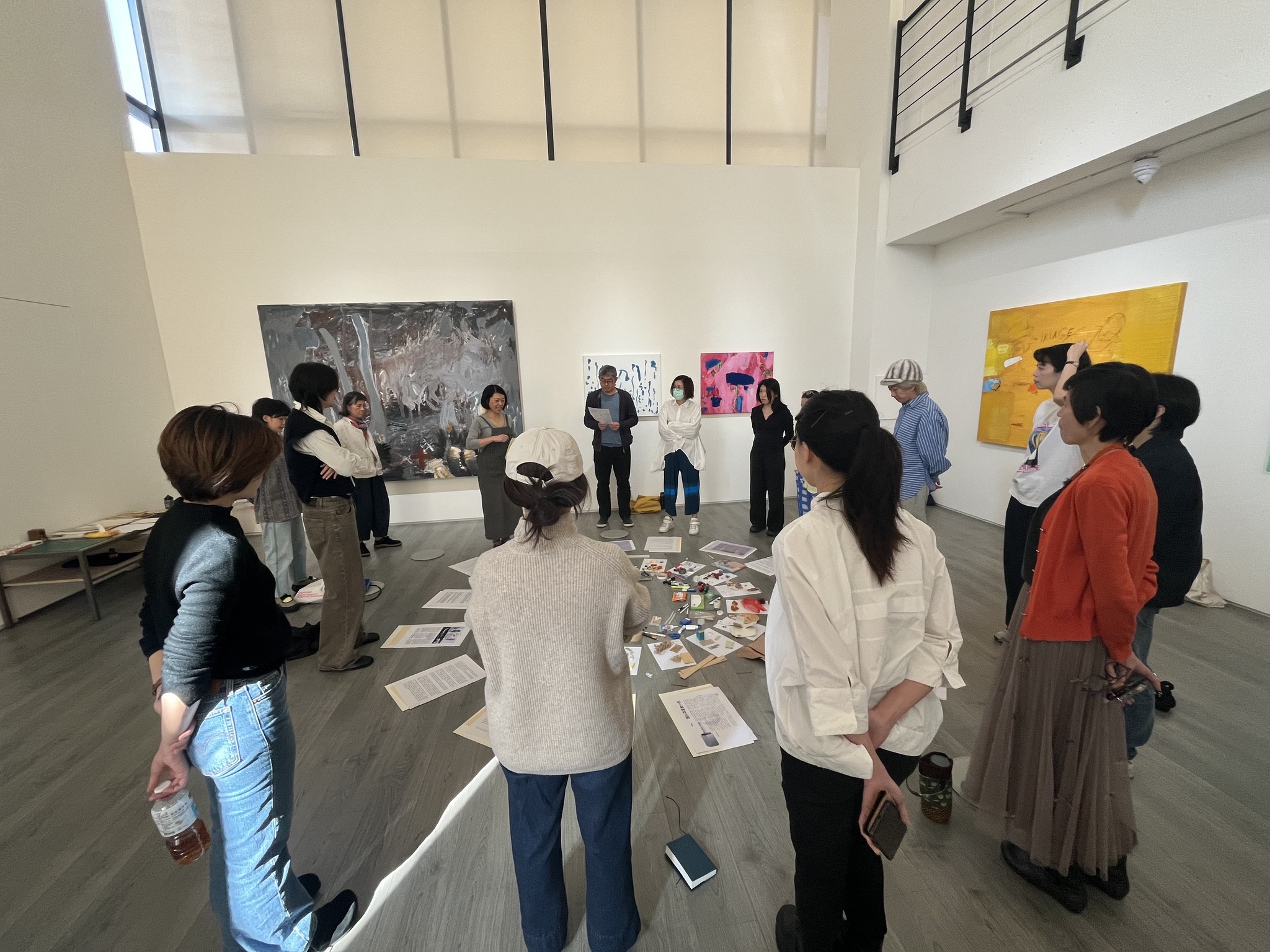
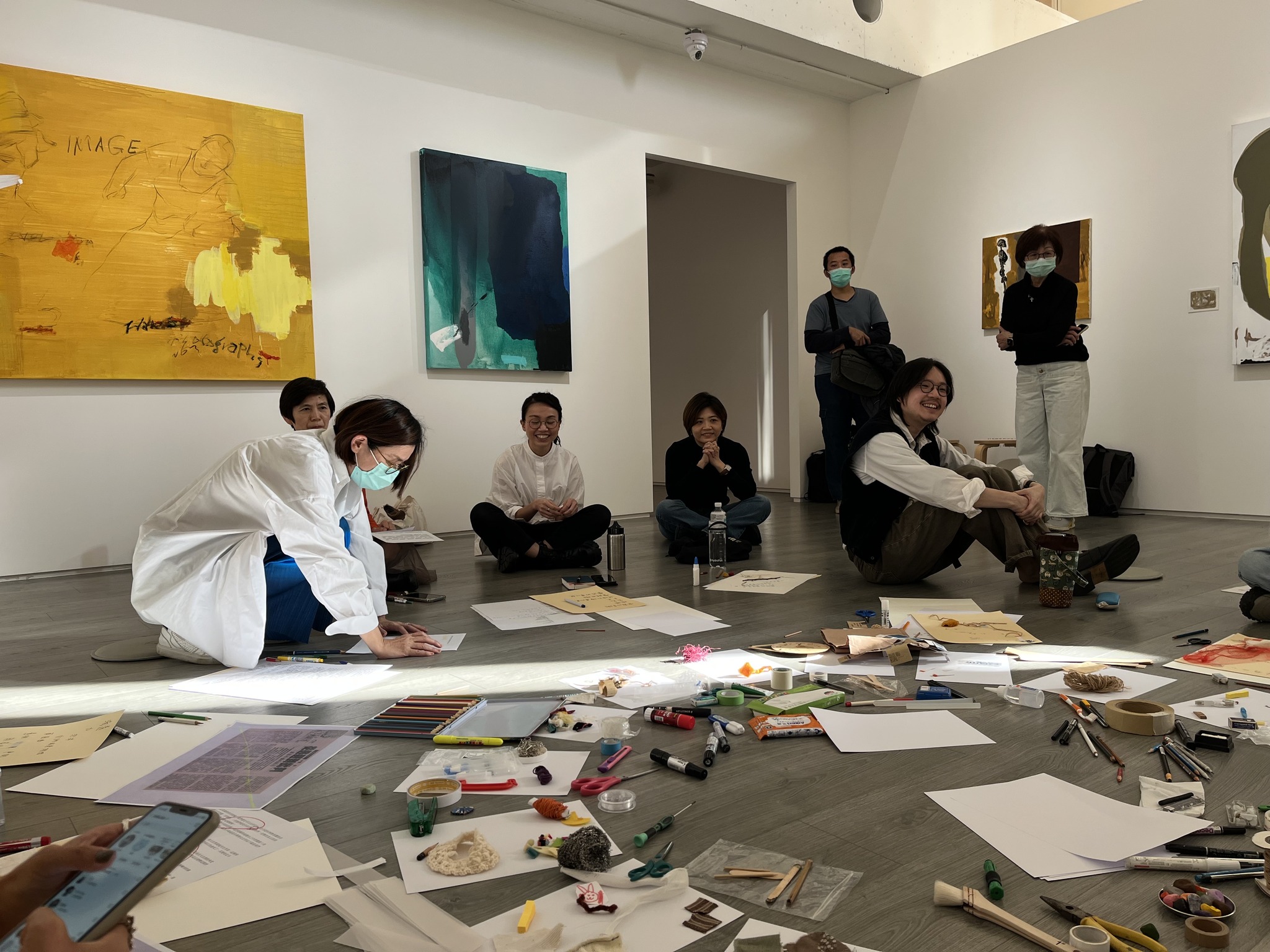
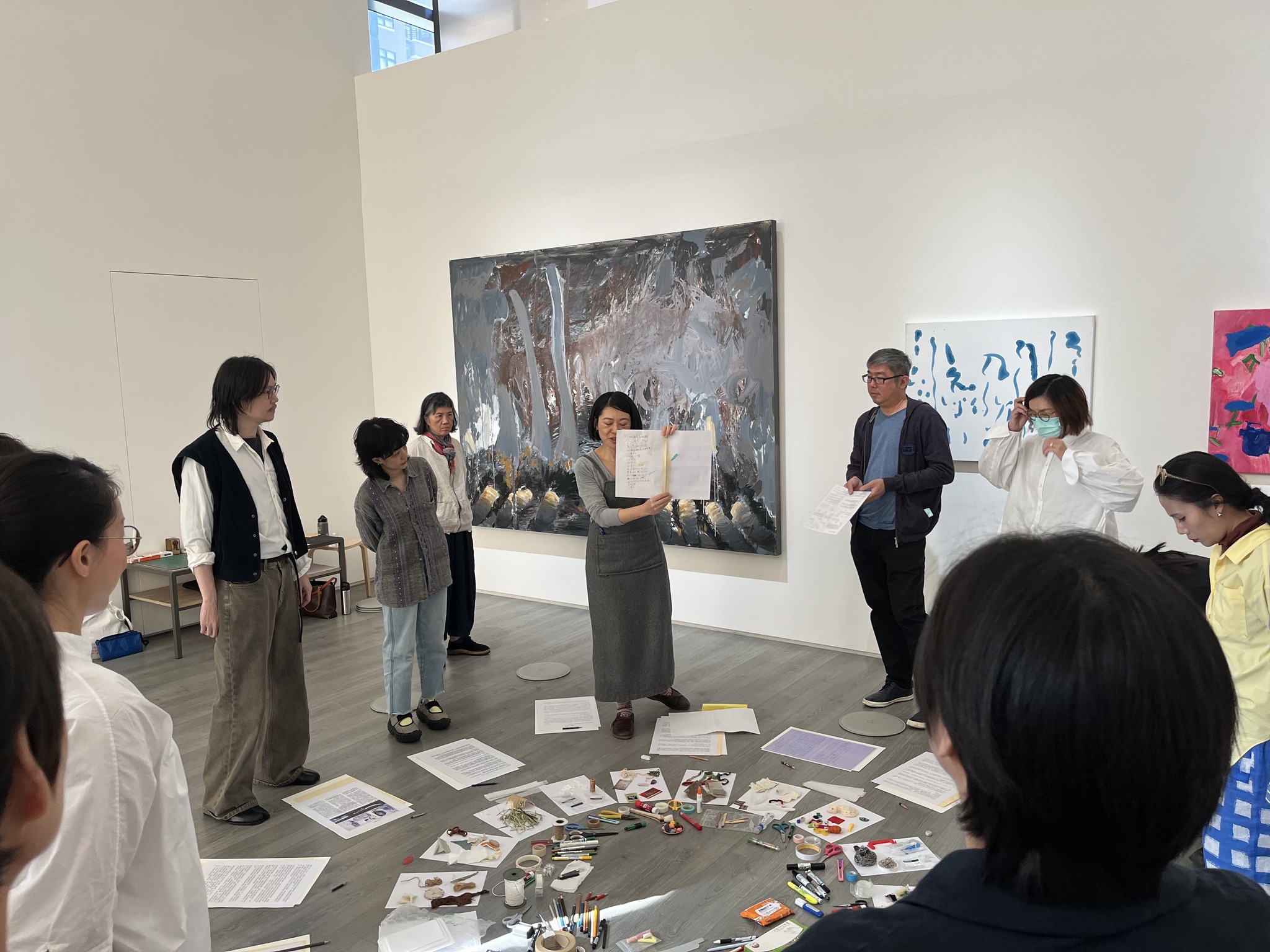
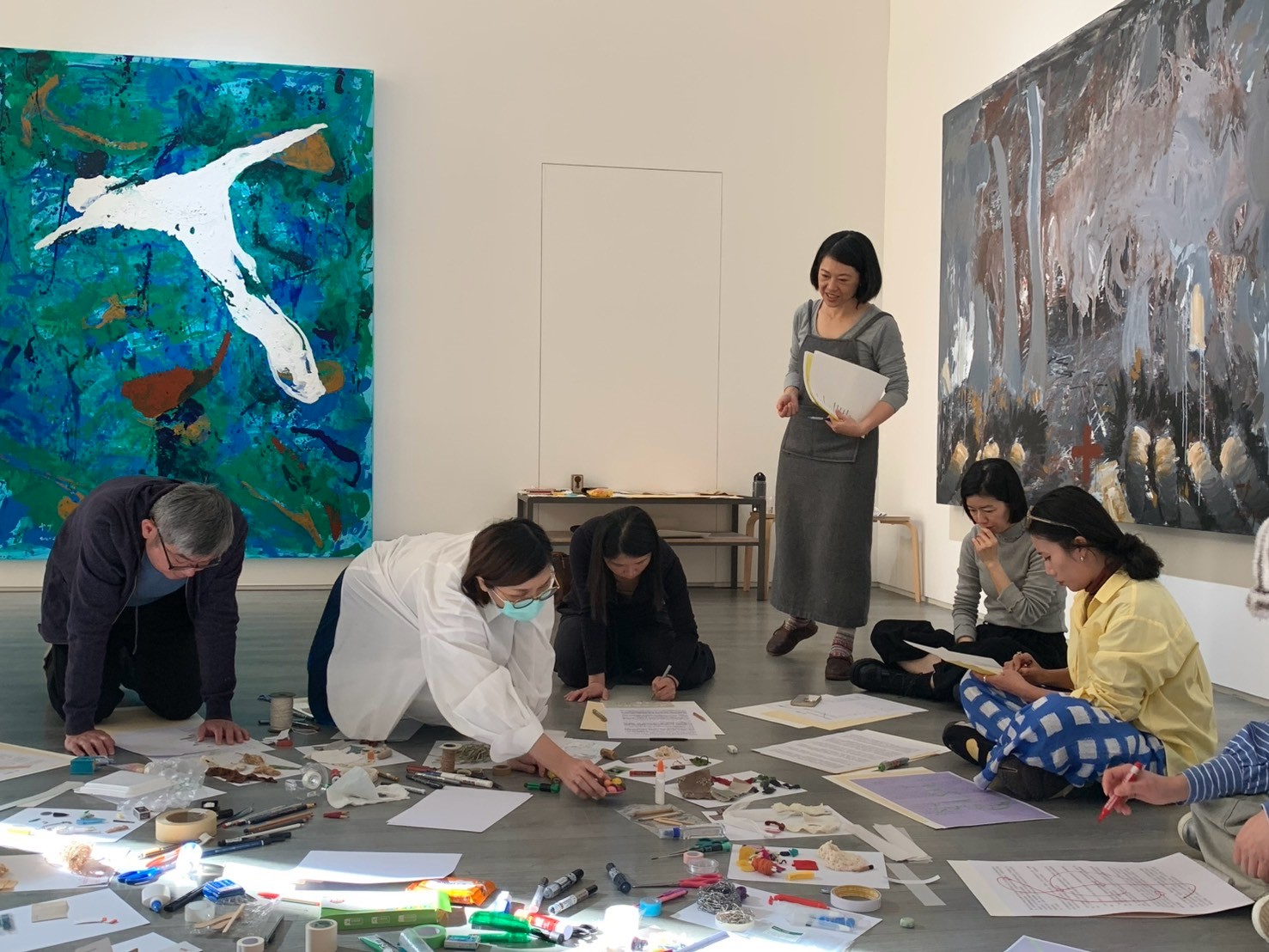
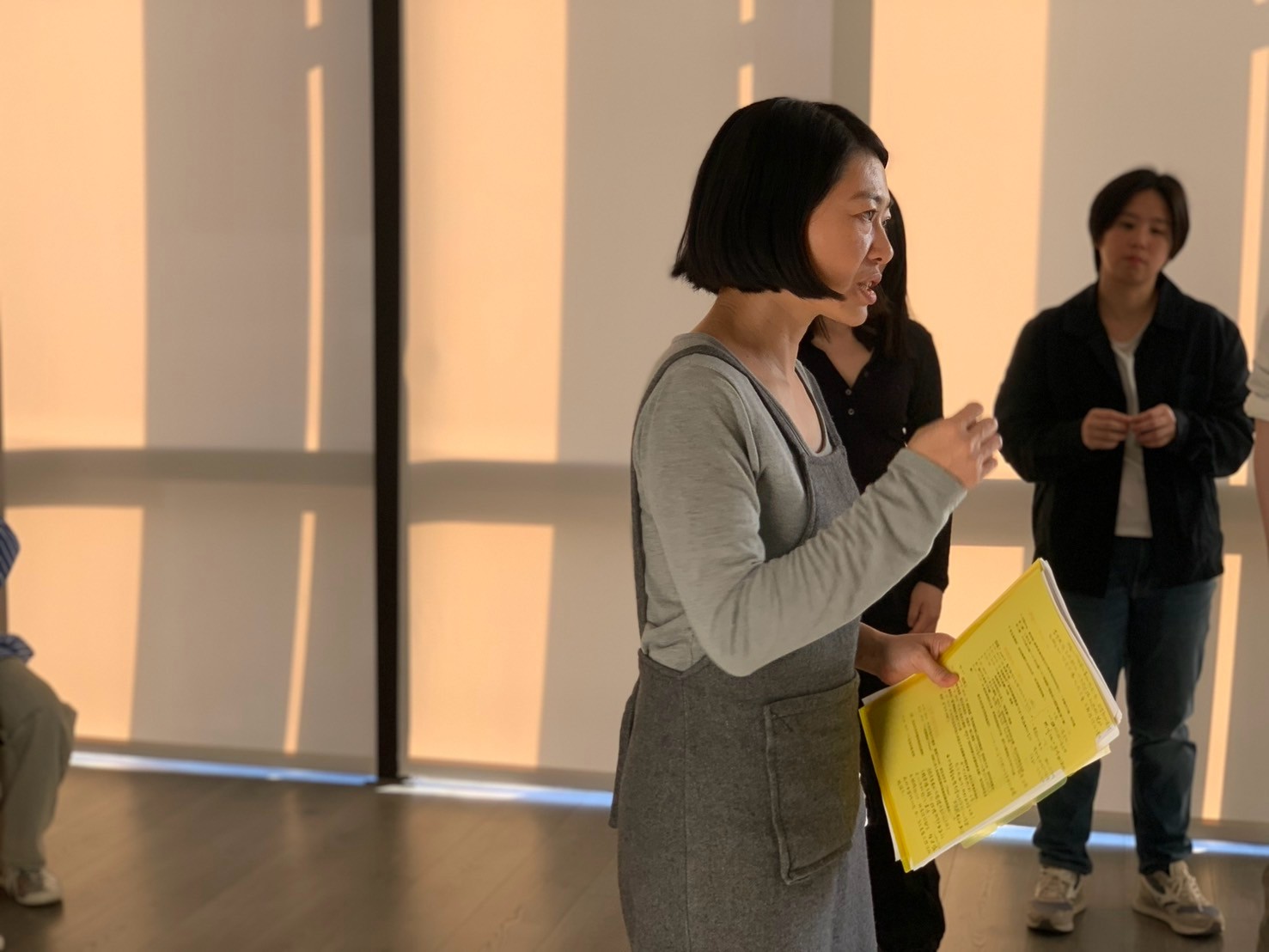
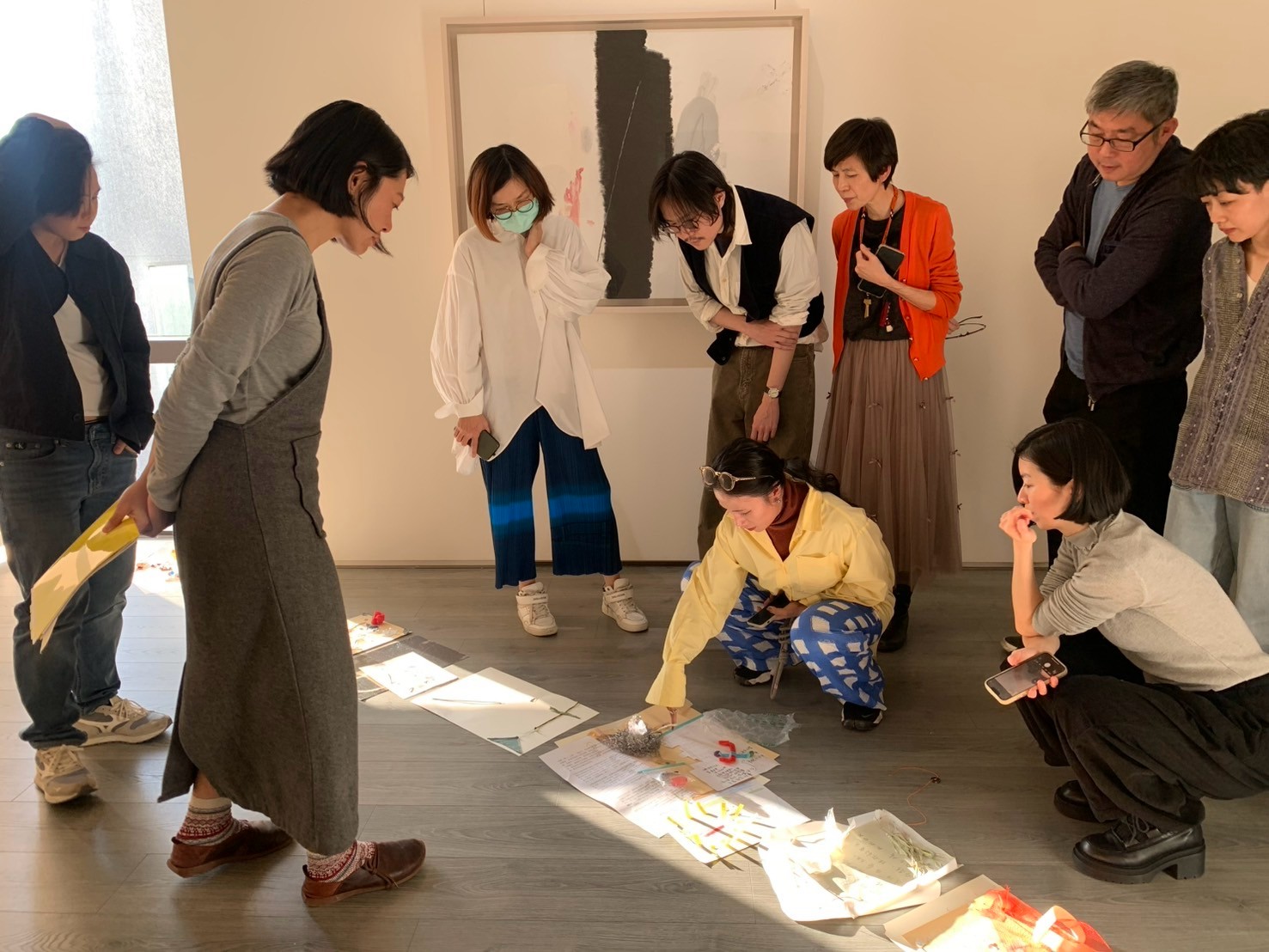
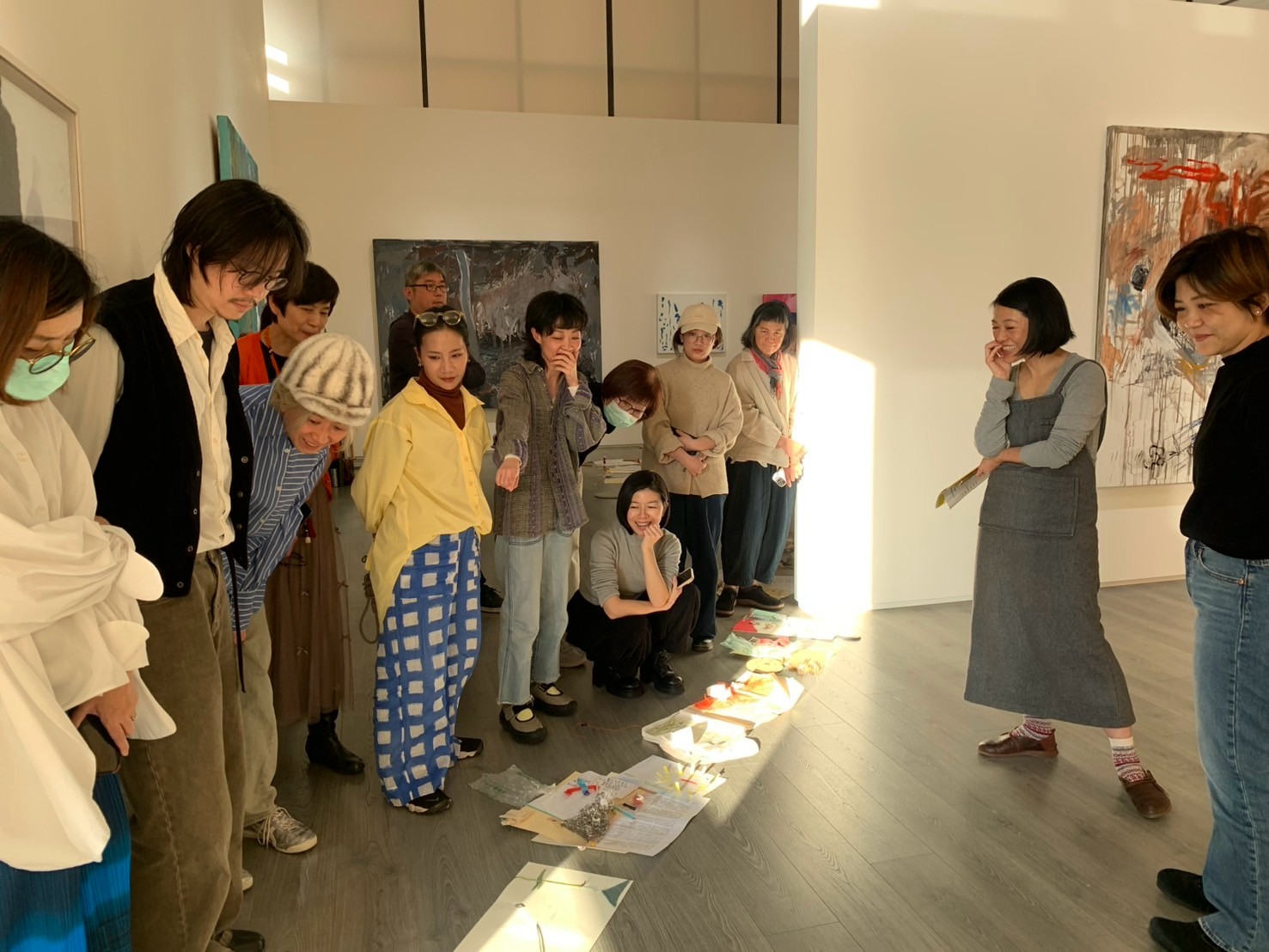
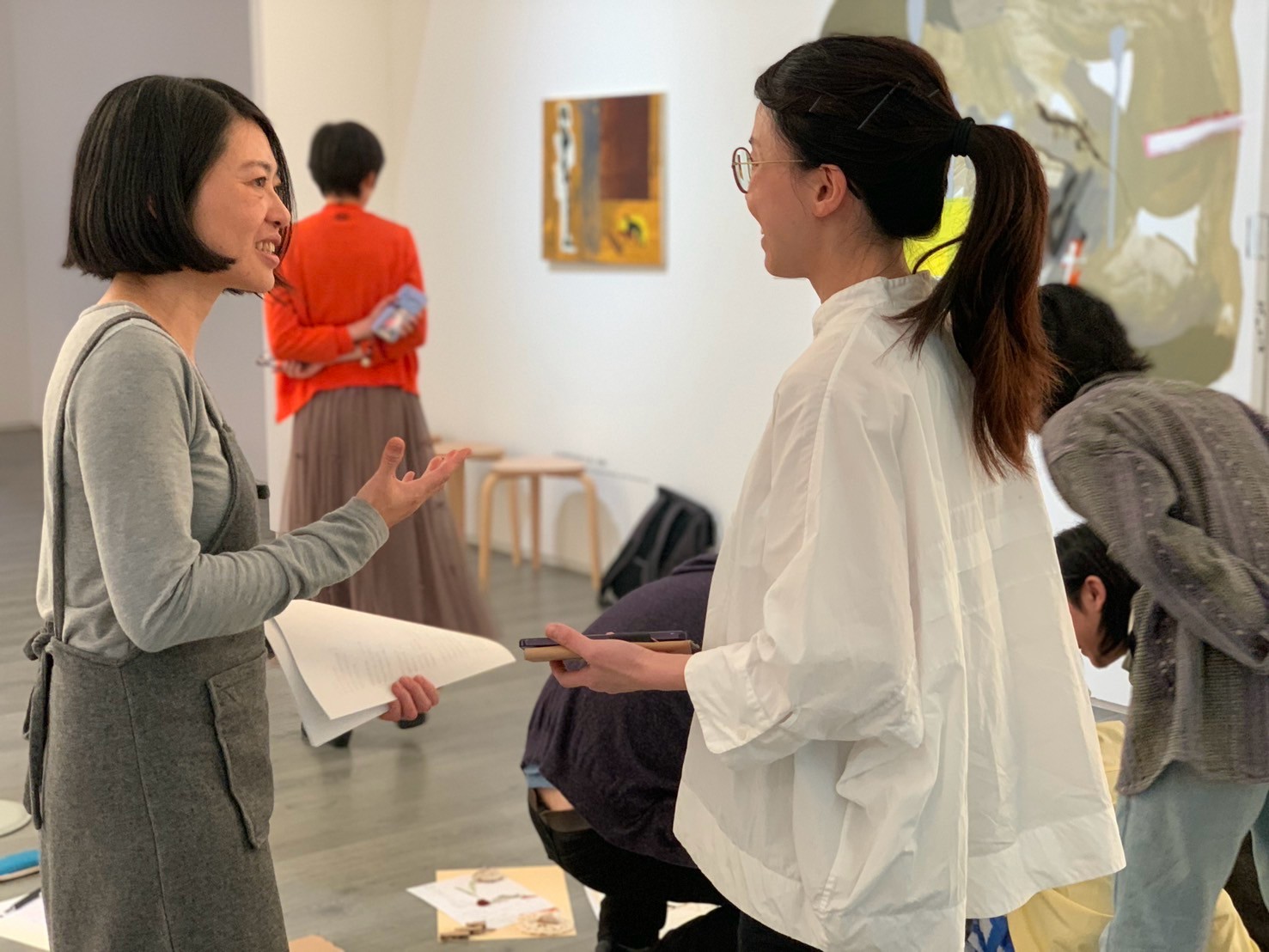
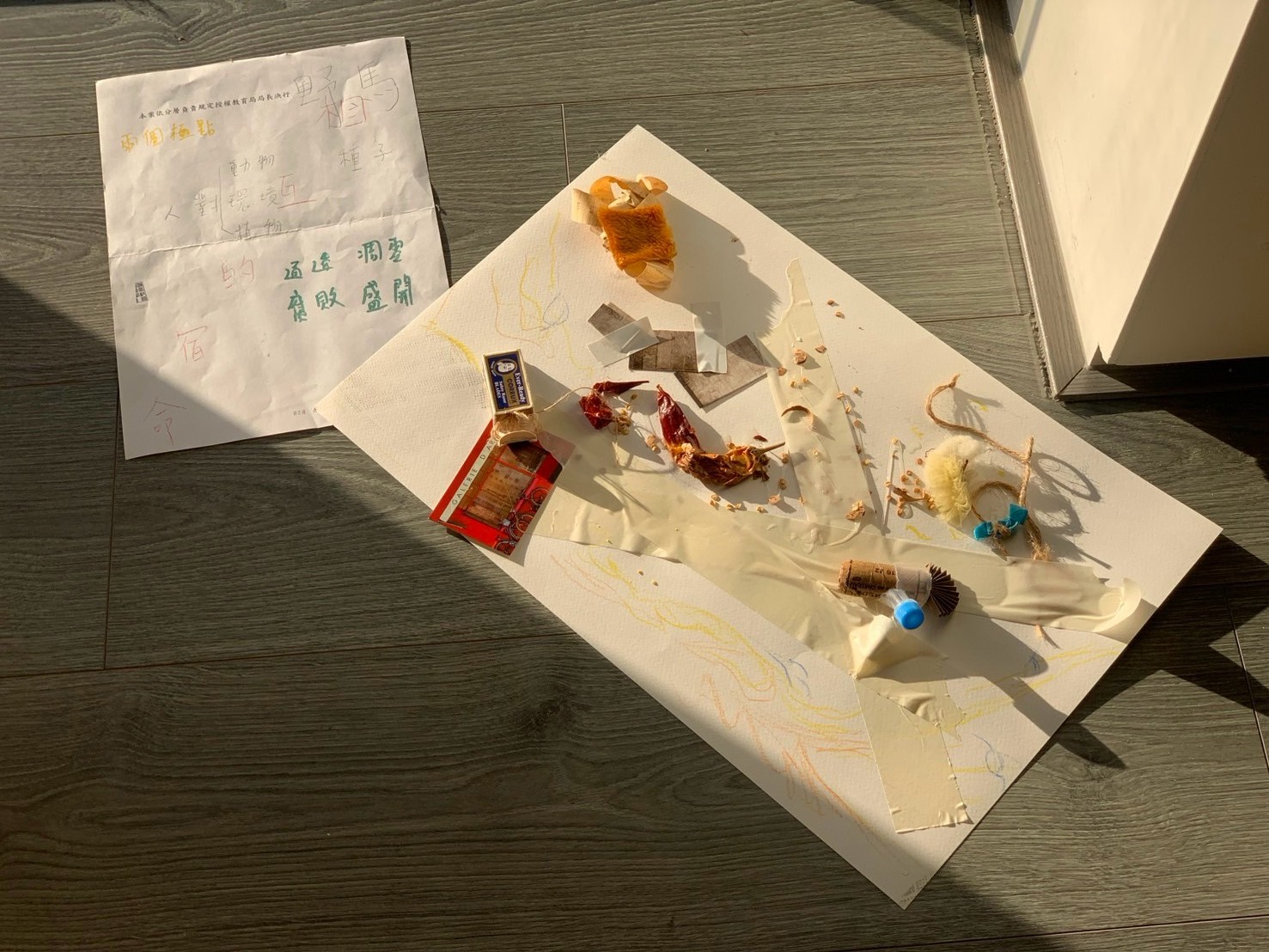
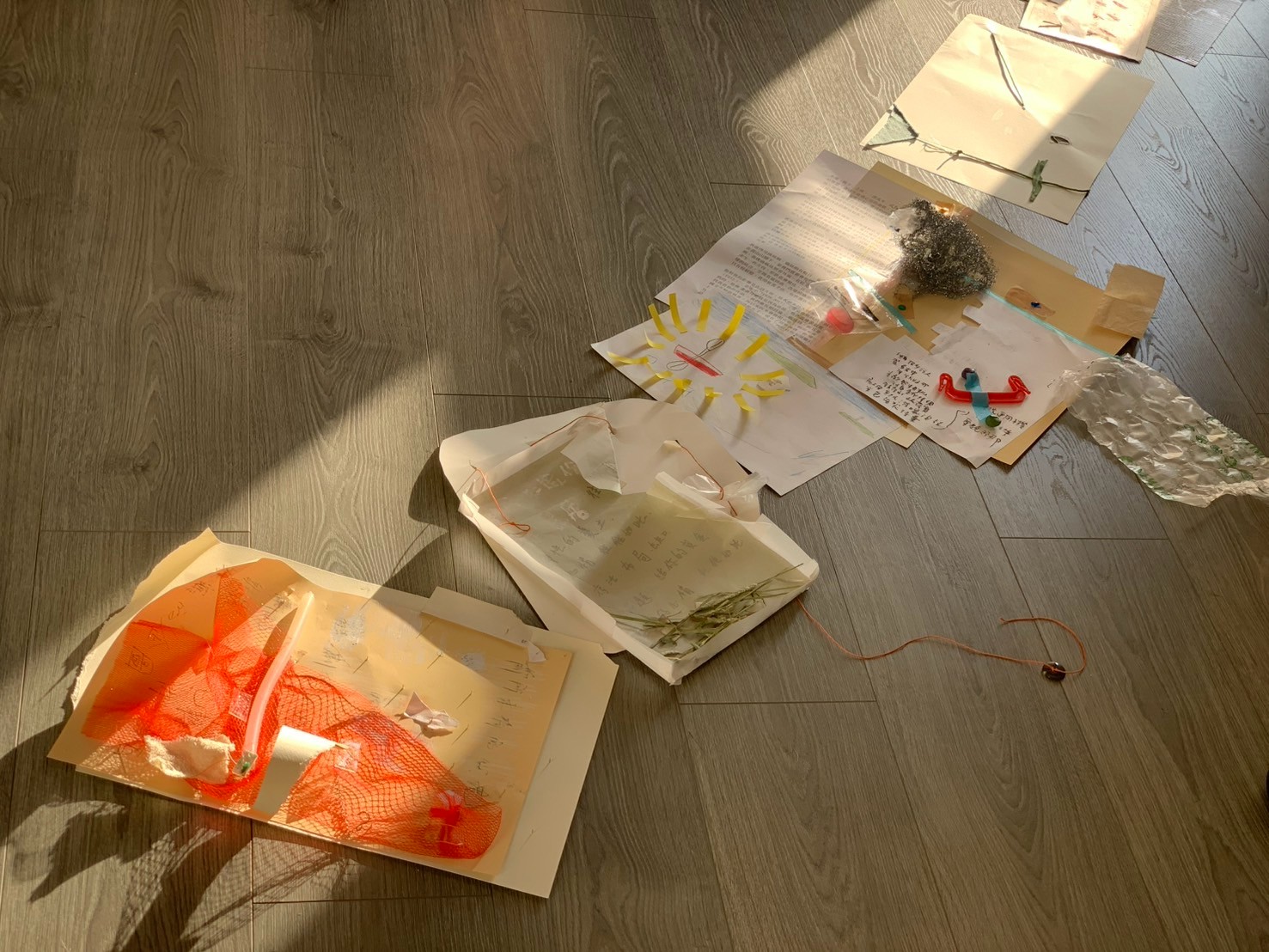
Designed by “Citing Bar,” this workshop draws inspiration from Rosi Braidotti’s Transversal Posthumanities* and the Feminist Environmental Humanities Reading Group’s extension of it into “transversal poetics.”** Taking unfinished dialogues with Yeh on improvisation, play, and unpredictability as points of departure, the workshop gathers texts from the exhibition—artist statements, reviews, reports, and creative writing. By assembling and referencing these historical threads, the workshop manifests collective creation in the present, aiming to offer an expansive, proactive response to Yeh’s oeuvre and worldview while keeping the dialogue open.
Despite each individual and every sentence being so different, they are forever interdependent and interconnected, just like life’s flow and the arising of opportunities. When the translucent, ambiguous spaces between order and chaos, the known and unknown, and the intimate and the unfamiliar are encountered, this is where poetry meets the true ‘present.
* The concept of Transversal Politics was originally proposed by Nira Yuval-Davis, a scholar of intersectionality and the politics of belonging, as an alternative to the politics of assimilation. Rosi Braidotti later proposed the “Transversal Posthumanities”, using a new materialist framework to identify the profit-oriented knowledge production of cognitive capitalism within the posthumanities, and turning instead towards community-driven, non-profit minor knowledges.
** In “Reading Group as Method for Feminist Environmental Humanities”, co-authored by James Gardiner, Hayley Singer, Jennifer Hamilton, Astrida Neimanis and Mindy Blaise, ‘transversal’ is applied by randomly drawing a line across the pages of participants’ written responses and stringing the words the line passes through into a short poem — “pulling seemingly unrelated things together and creating new connections”. Although the cut is arbitrary, it is precisely this arbitrariness that helps move beyond the known and illuminate the tensions at the margins, or those we would rather not, or are unwilling to, name.
Workshop Facilitator: TSAI Wan Shuen
TSAI Wan Shuen grew up in the archipelago of Penghu, Taiwan. Studied and lived in France during several years and nowadays settled in the region of Taipei. Her artwork is shared between mixed-media installation, drawing, video and poetry. Her installations are ephemeral and constitutes a specific relationship to the physical space and architecture. Her image creation suggests an opening of narration and transforms a landscape into a mental space.
In parallel of her personal projects, she collaborates since 2004 with sound artist Yannick Dauby under the group name Shijingren, focusing on audio-visual works about landscape. This project has been invited by artist residencies in France, Taiwan and Estonia and presented site-specific exhibitions, publications, video pieces and small performances. In recent years, they also expand to working with areas in the fringe of the arts, such as, the intersection of community and the arts, and collaborations with other professionals in the arts and humanity disciplines. In 2008, they founded Atelier Hui-Kan developing activities related to pedagogy, publication and communities.
Tsai is the author of the following publications: a poetry collection titled Tide (2006, Penghu County Government Cultural Bureau ); A collection of poems and drawings titled Strangly Held (2013, Initial Publish.); and a letterpress printed poetry book with audio, realized with her child, Je Voudrais Me Réveiller Dans la Mer (2017, Initial Publish.). Sensory Weaving, a personal poetry anthology (2021, Initial Publish.)
Workshop Curator: WU Hung-Fei
WU Hung-Fei is a curator and researcher based in Taipei, Taiwan. Long concerned with ecological issues, she has in recent years brought her own life experience and a feminist perspective into research on feminist environmental humanities. In 2023 she founded citing bar, a platform exploring feminist environmental humanities. Playing on the Chinese homophones “citing” (引用) and “drinking” (飲用), it links the nourishment of the individual body with care for the surrounding environment, while invoking the “Politics of Citation”—acknowledging sources, margins and predicaments, building solidarity, and learning and thriving together with all beings.