Move the Emotion to Actions: Citing Bar x Tokyo University of the Arts
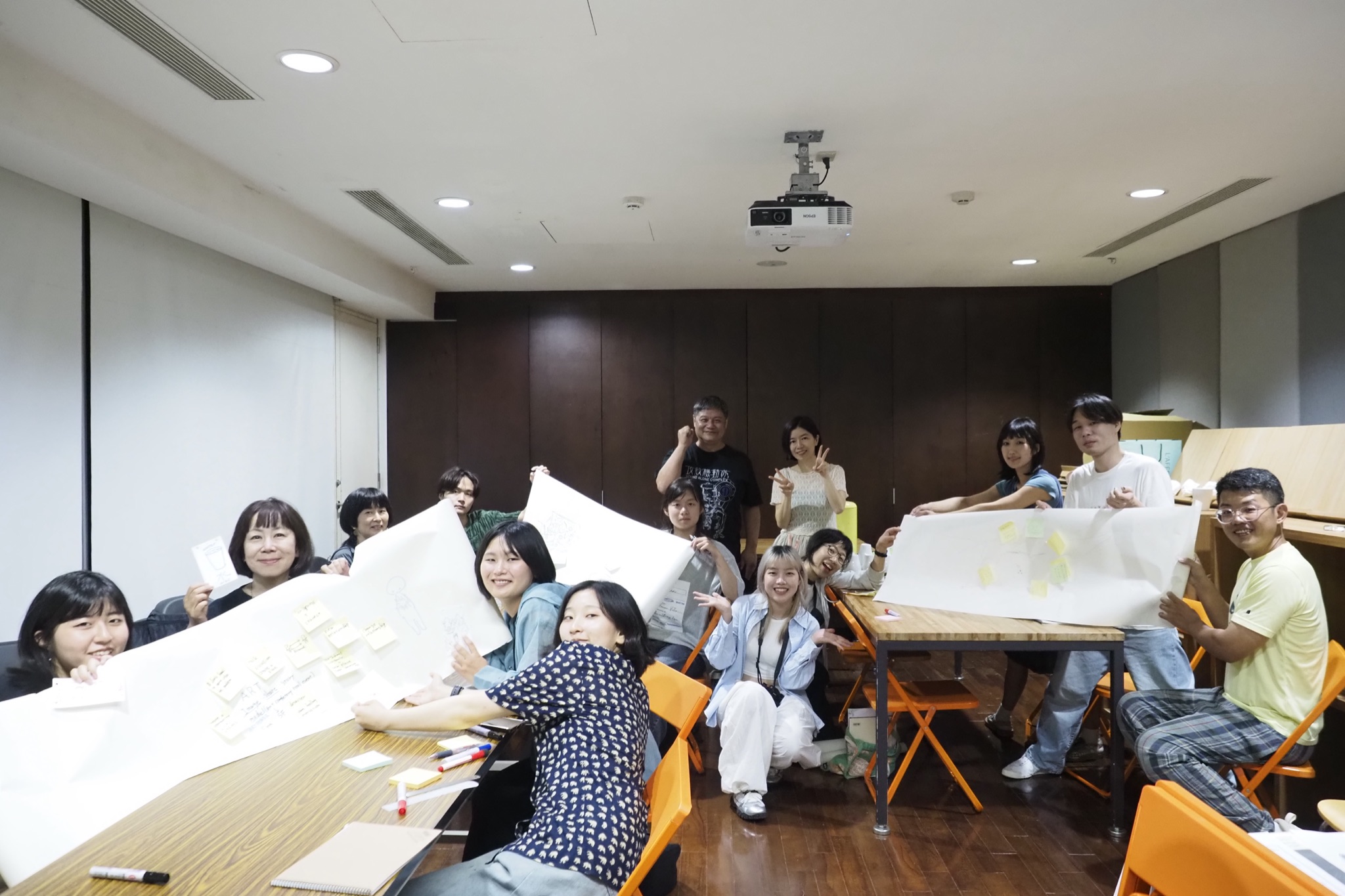
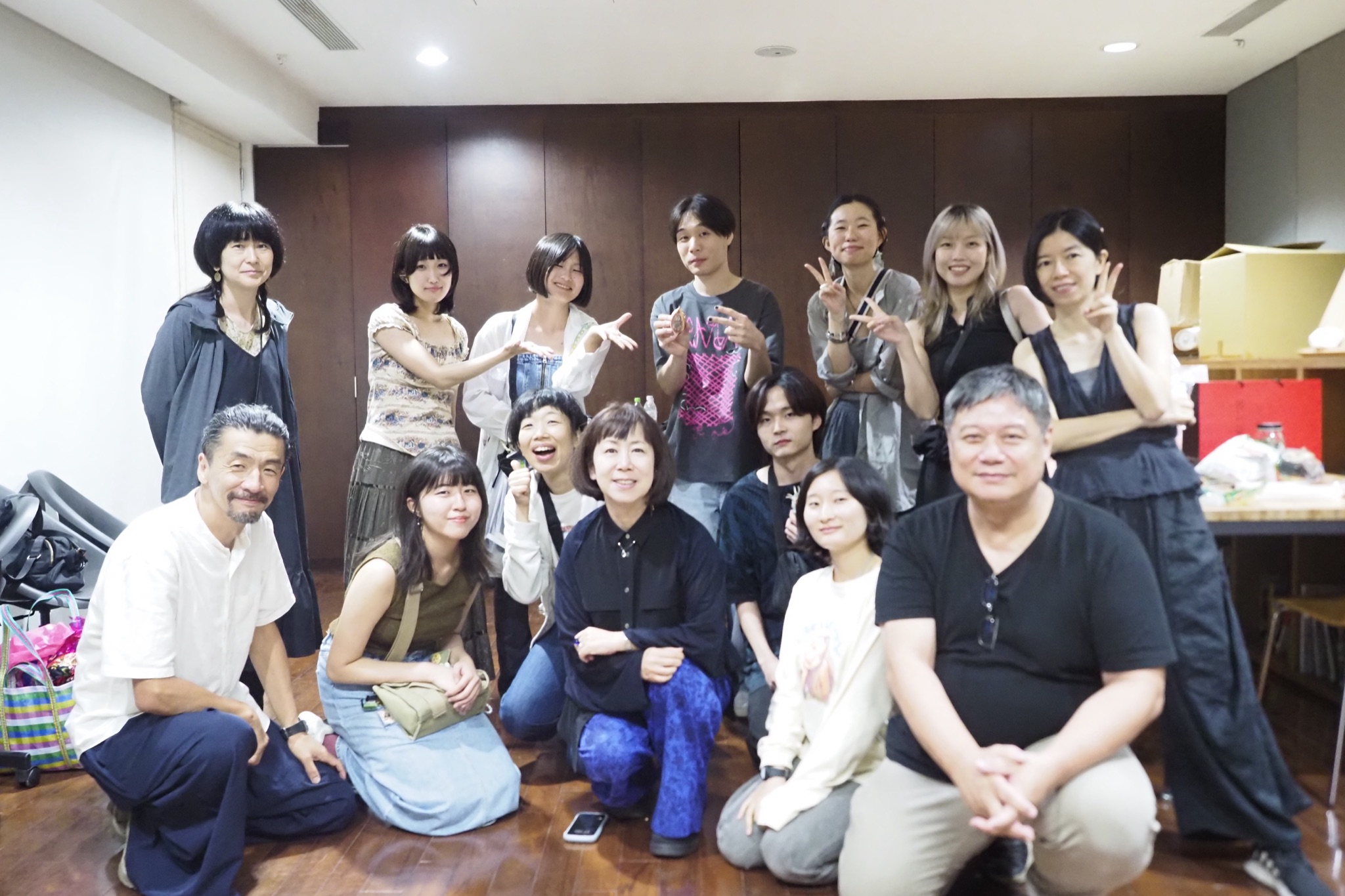
It was a great pleasure to continue the dialogue with Tokyo University of the Arts (TUA). This sustained and long-term collaboration is exceptionally precious, serving not only as an academic exchange but as a vital foundation for building an intercultural artistic community. The theme of this year’s project expanded from last year’s focus on individual healing to a broader social dimension, exploring how art can intervene in complex historical and social issues. Compared to last year’s extensive visits to survey Taiwan’s art scene, this year’s one-week schedule was more focused, centering on internal academic lectures and in-depth research and creation conducted by three groups of students from TUA and TNUA.
Professor Huang Chien-hung’s lecture focused on “yearning” as a core concept, delving into the complex contradictory nostalgia that emerged in 1970s Taiwan, caught between the governance of the Japanese colonial period and the incoming KMT government, and its impact on stylistic evolution in art. Professor Araki Natsumi utilized the exhibition practices of the Imperial War Museum in London as a case study. She highlighted the curatorial efforts required to confront difficult history and critically reflect on colonial imperialistic mentalities, while also introducing Japanese contemporary artists who focus on historical subjects.
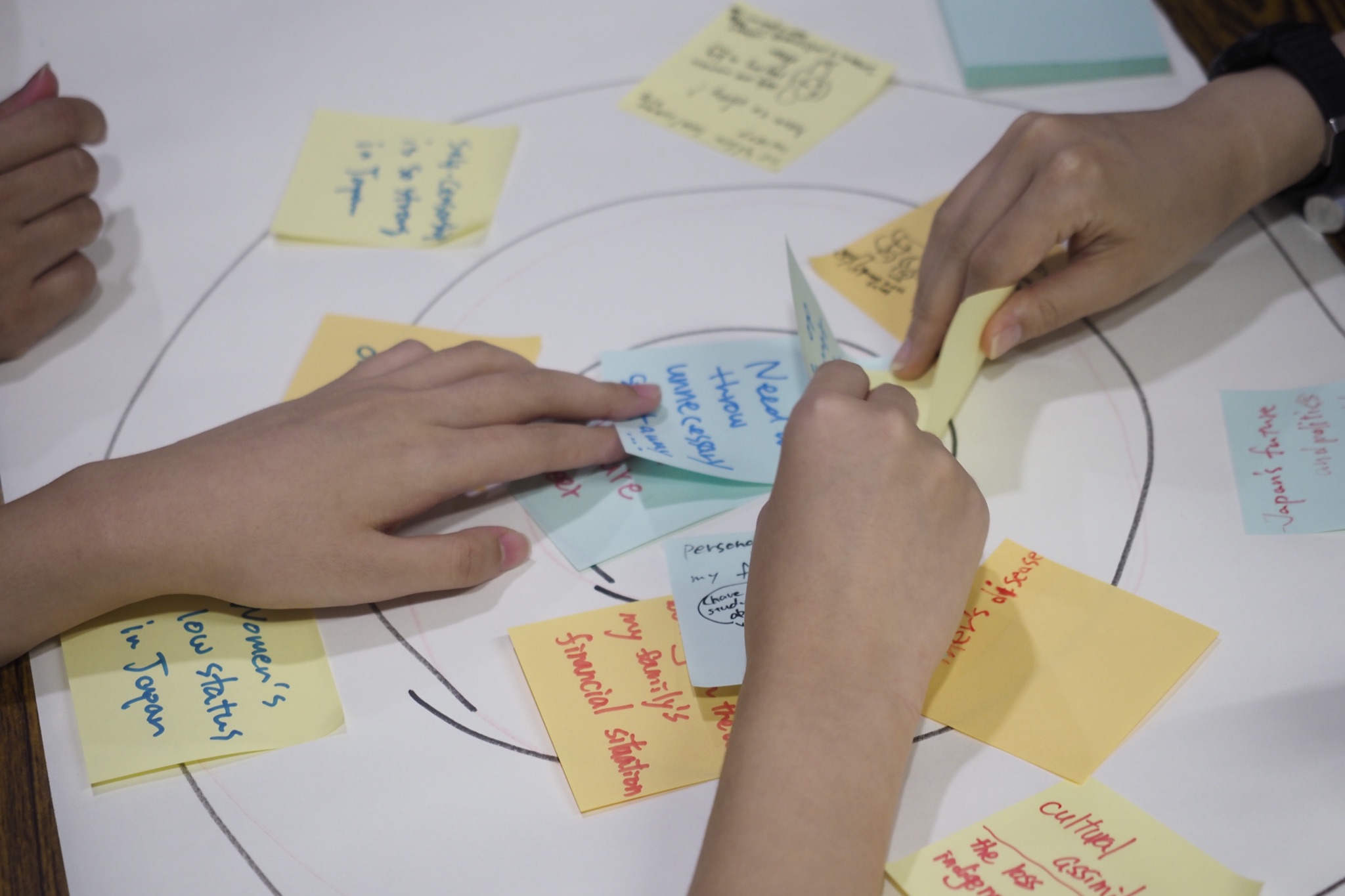
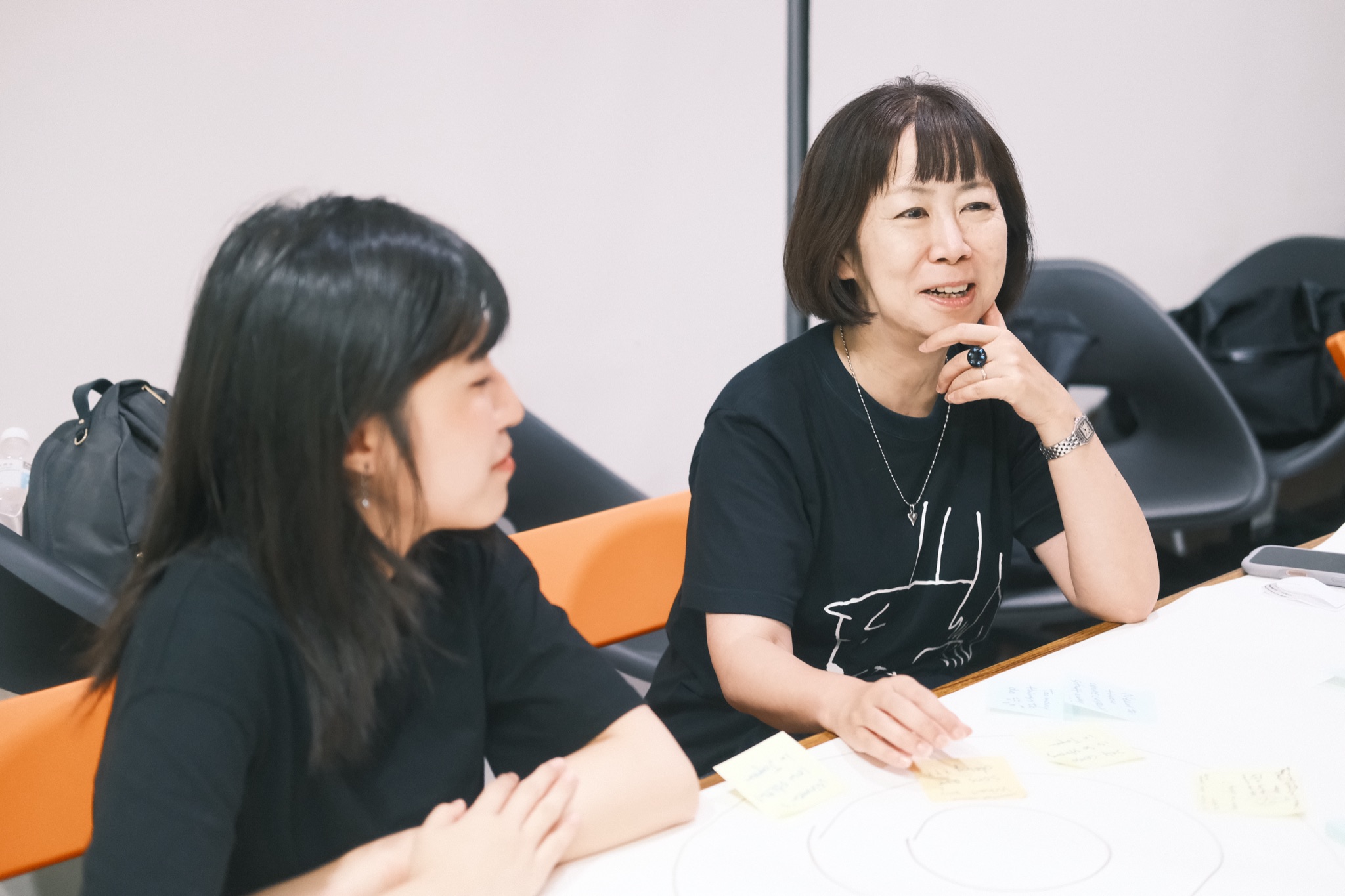
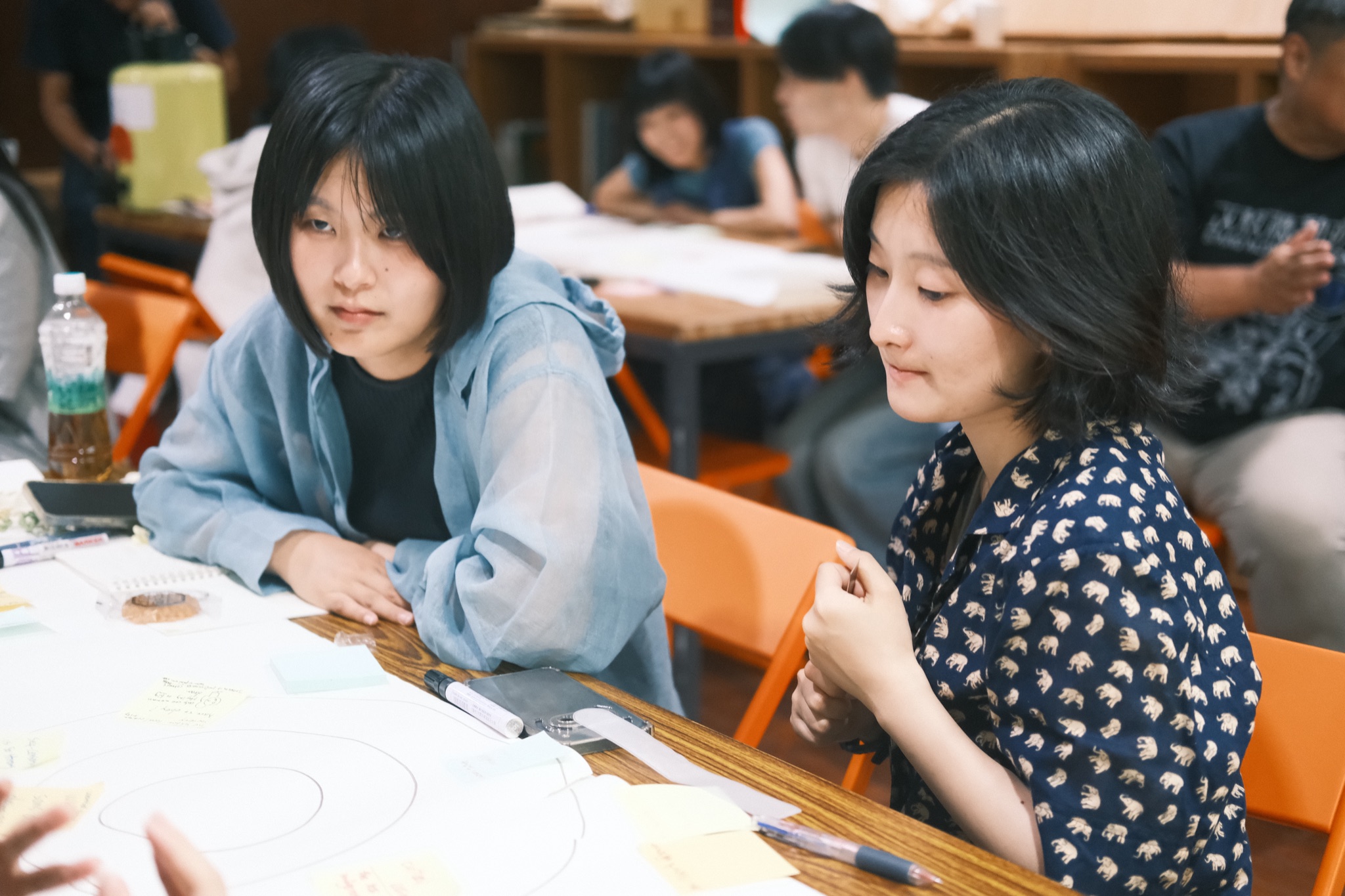
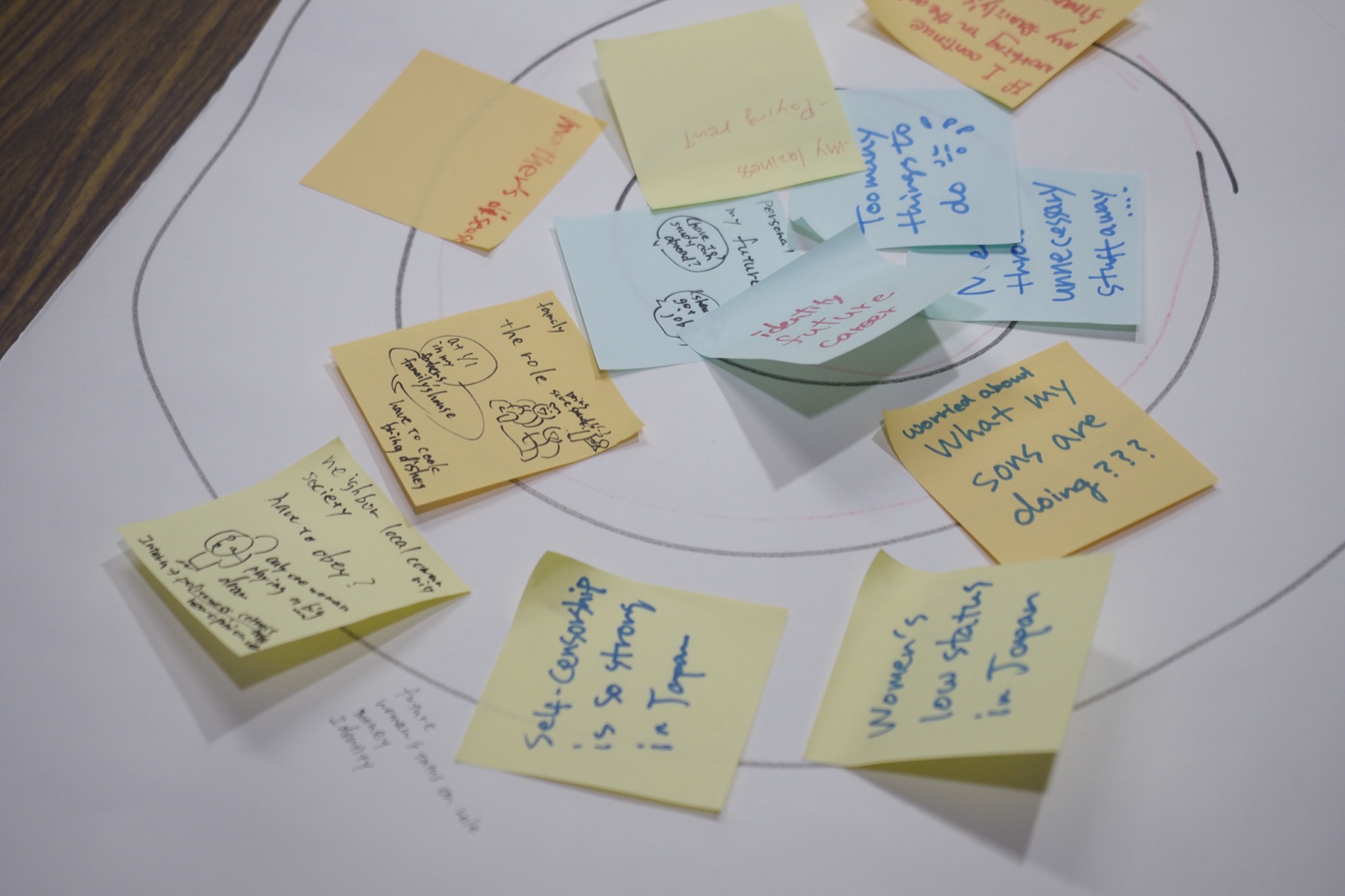
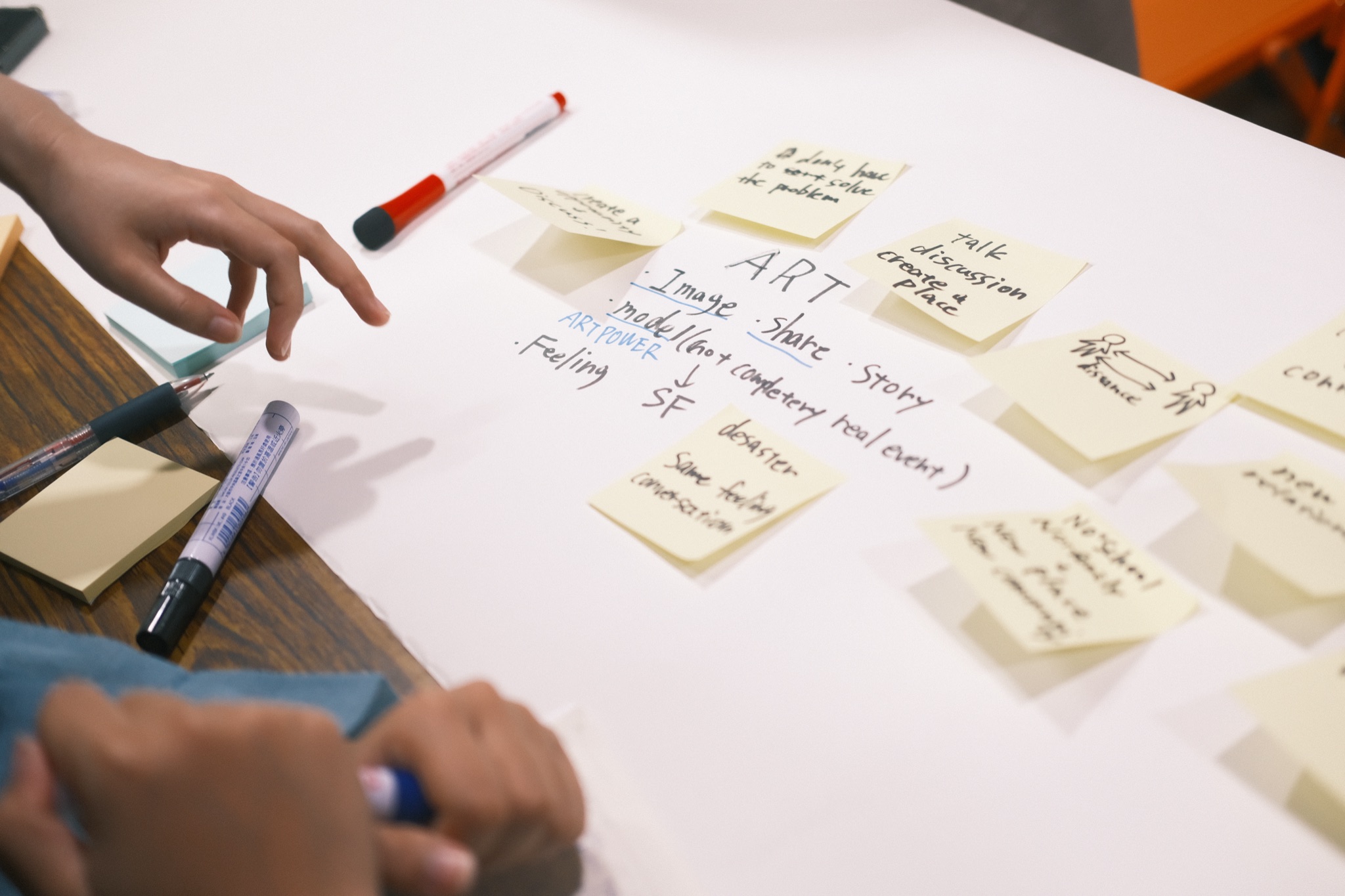
My two workshops were introduced through my research and exhibition project, “munus.” This Latin term carries the plural meanings of responsibility/gift and immunity/community. I invited the students to examine the underlying anxieties and dis-eases present in everyday individual life and collective society, and to explore art’s potential (and limitations) in responding to these collective diseases interwoven with modernity.
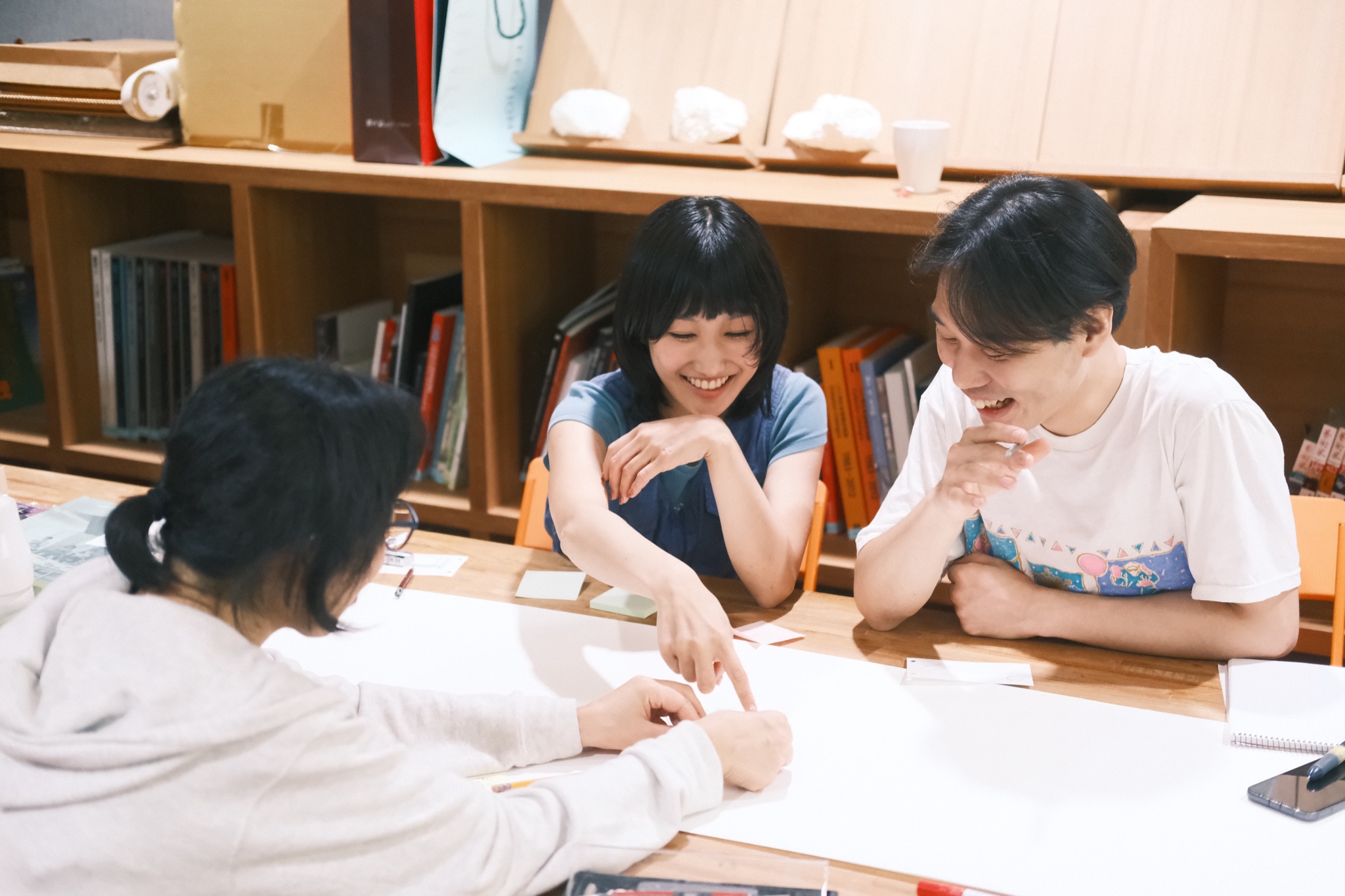
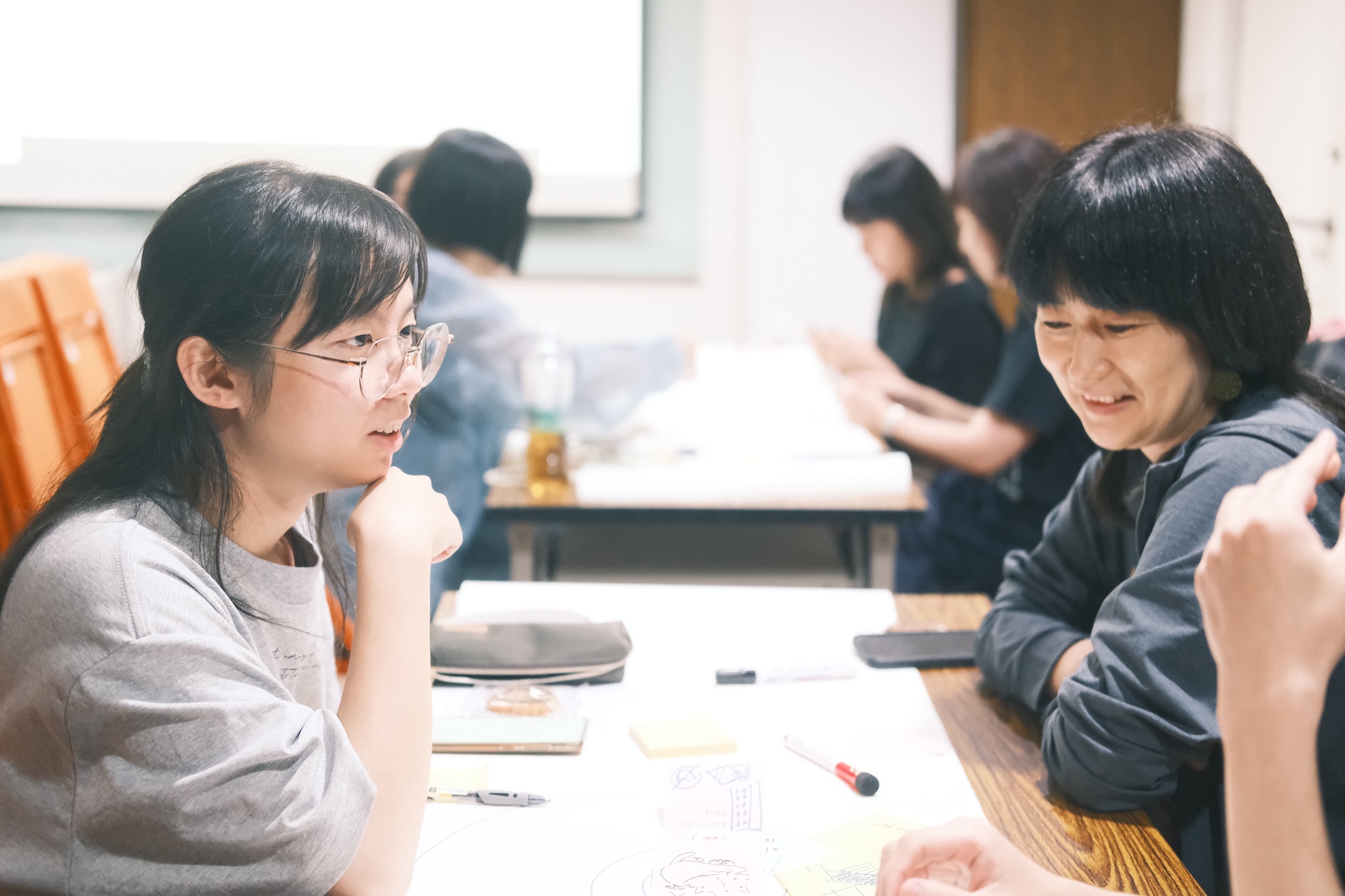
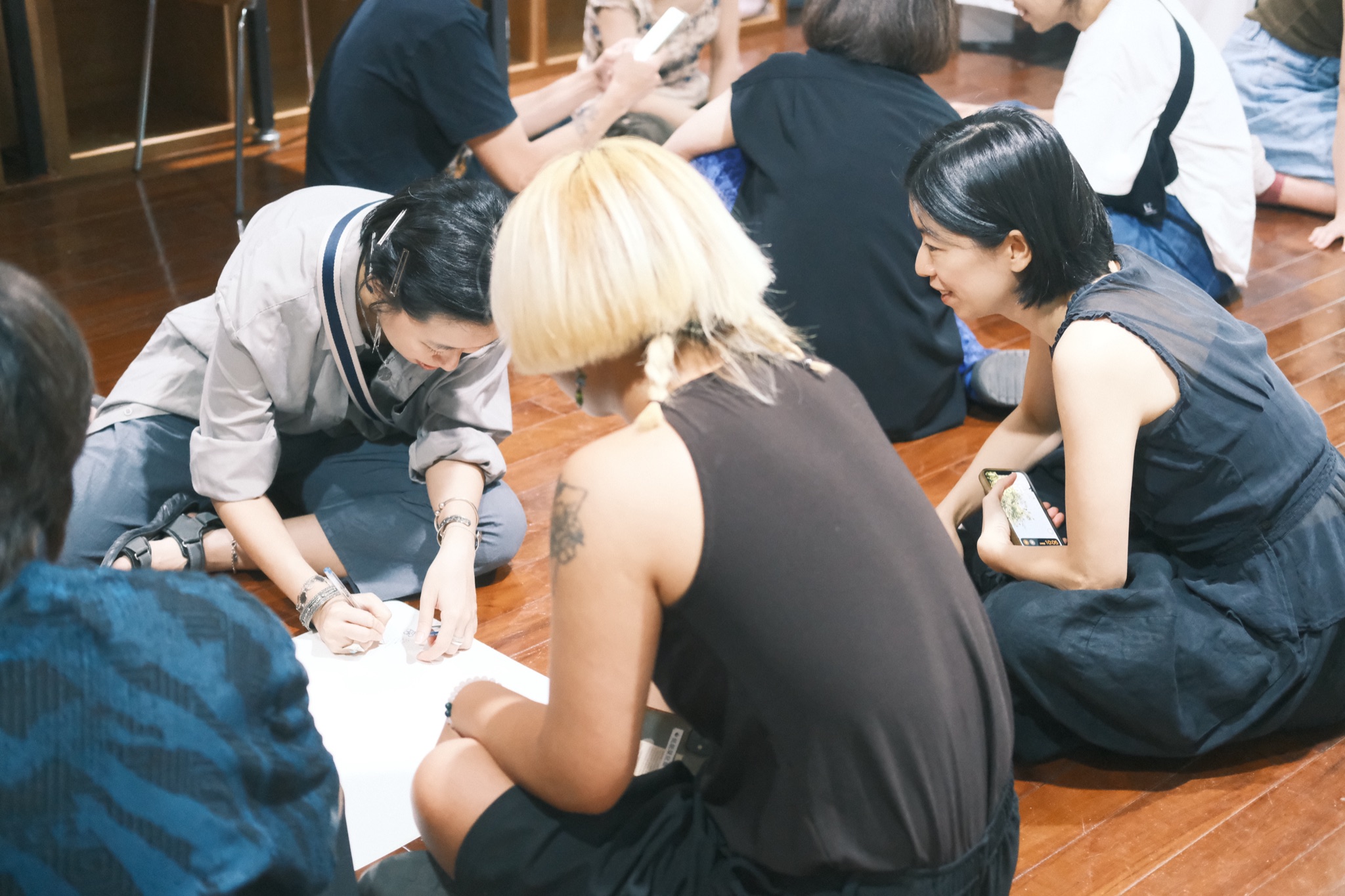
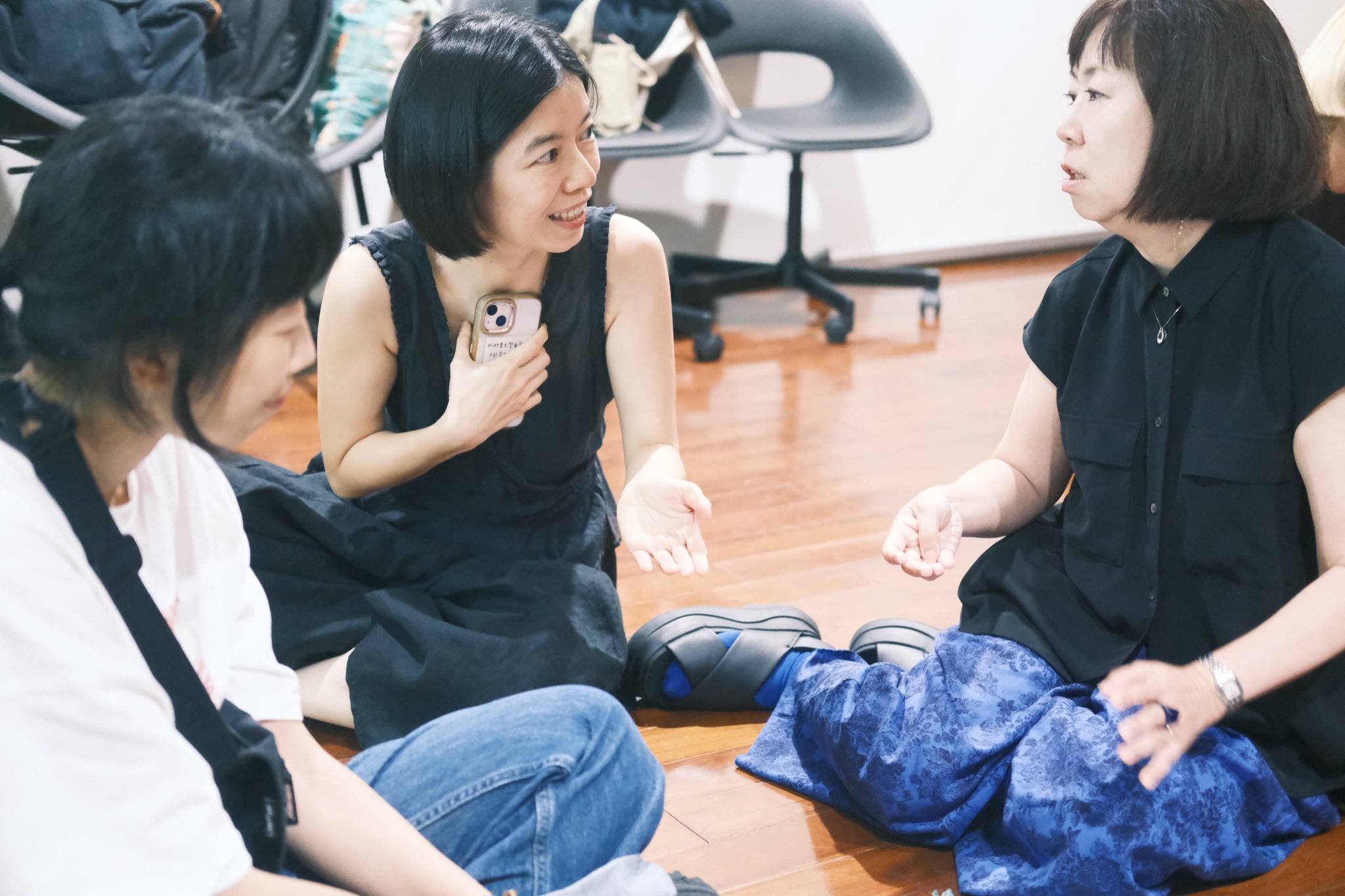
“Care” has been the consistent through-line of the workshops over the past two years. In the first session, as students candidly revealed their difficulties and attempted to find breakthroughs, the space became a permeable connection point, establishing a preliminary sense of solidarity. The concluding workshop drew inspiration from artist Cassie Thornton’s Hologram model, encouraging students to practice deep listening and relational care. The goal was to dismantle the alienating, authority-driven structure of the modern medical system, allowing participants to become supportive of “intimate prescriptions” and “living histories” for one another. This methodology underscores that art is not only a form of expression but a practice of relationship building and life support.
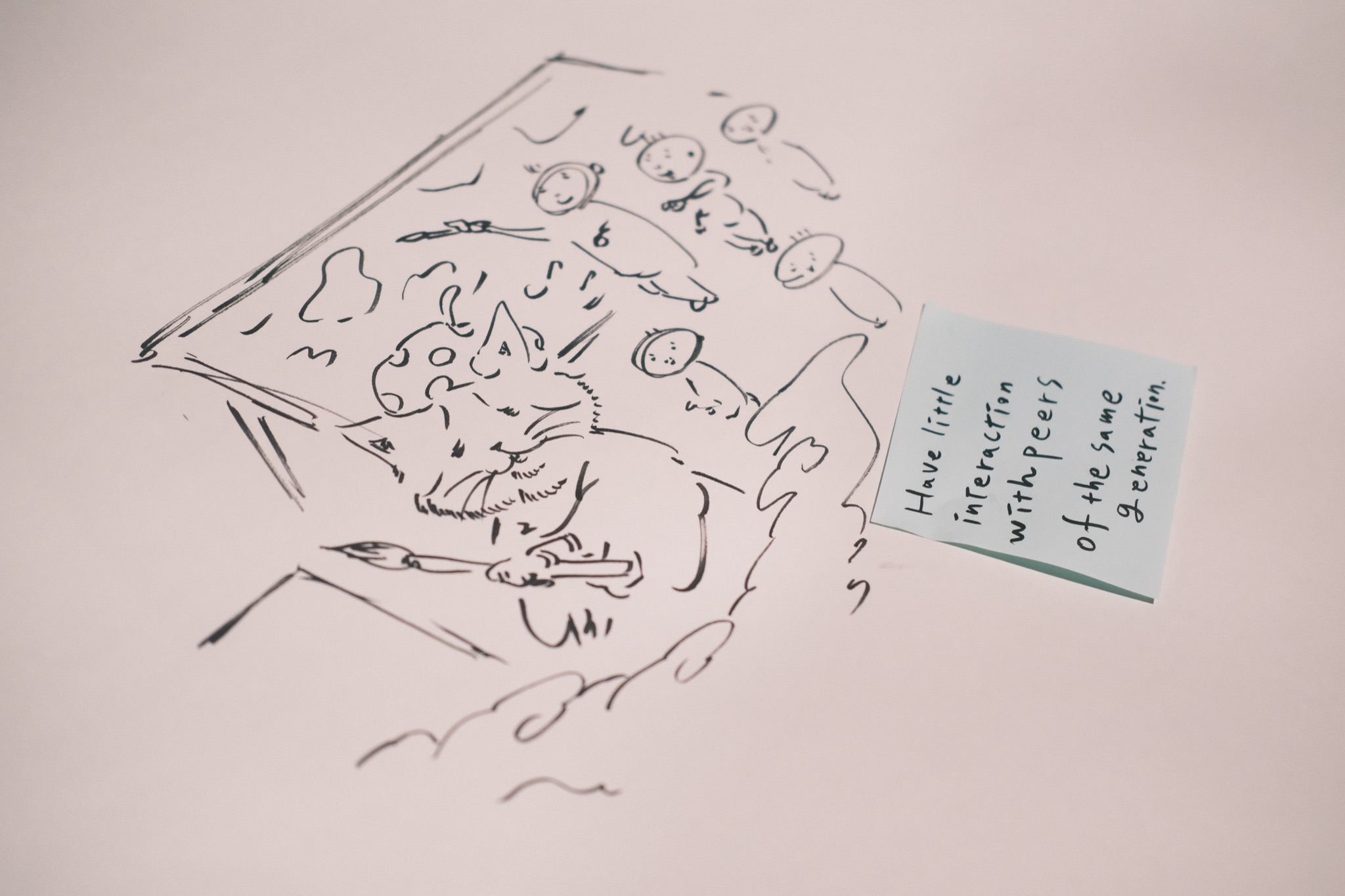
The most surprising and moving highlight was undoubtedly the students’ final presentations after two days of field research and creation. In this era where fundamental values and mutual dependency are faltering, I witnessed art becoming a dynamic force for revitalized hope through their creations:
On a material and sensory level, artistic creation offers an entry point for future imagination to experience ancient narratives; or, through deliberate omission and negative space in text, it creates space for alternative narratives. Last but not least, through the body performance and non-verbal, art reveals the social frameworks that restrict our dialogue, encouraging us to practice unlearning and stepping towards freedom.
These works are the best gifts to me. Meticulously woven thread by thread through the students’ clear, unburdened eyes, they served as Le Guin’s “carrying bags”—a humble, non-sensational attempt to contain and understand history’s complex wounds, contradictions, and conflicts, prioritizing nuanced engagement over instant remedy. I sincerely wish that this space of shared care and exchange, co-created during the workshop, will in turn nourish us in our daily moments of feeling disconnected and powerless, allowing us to transform emotion into action.